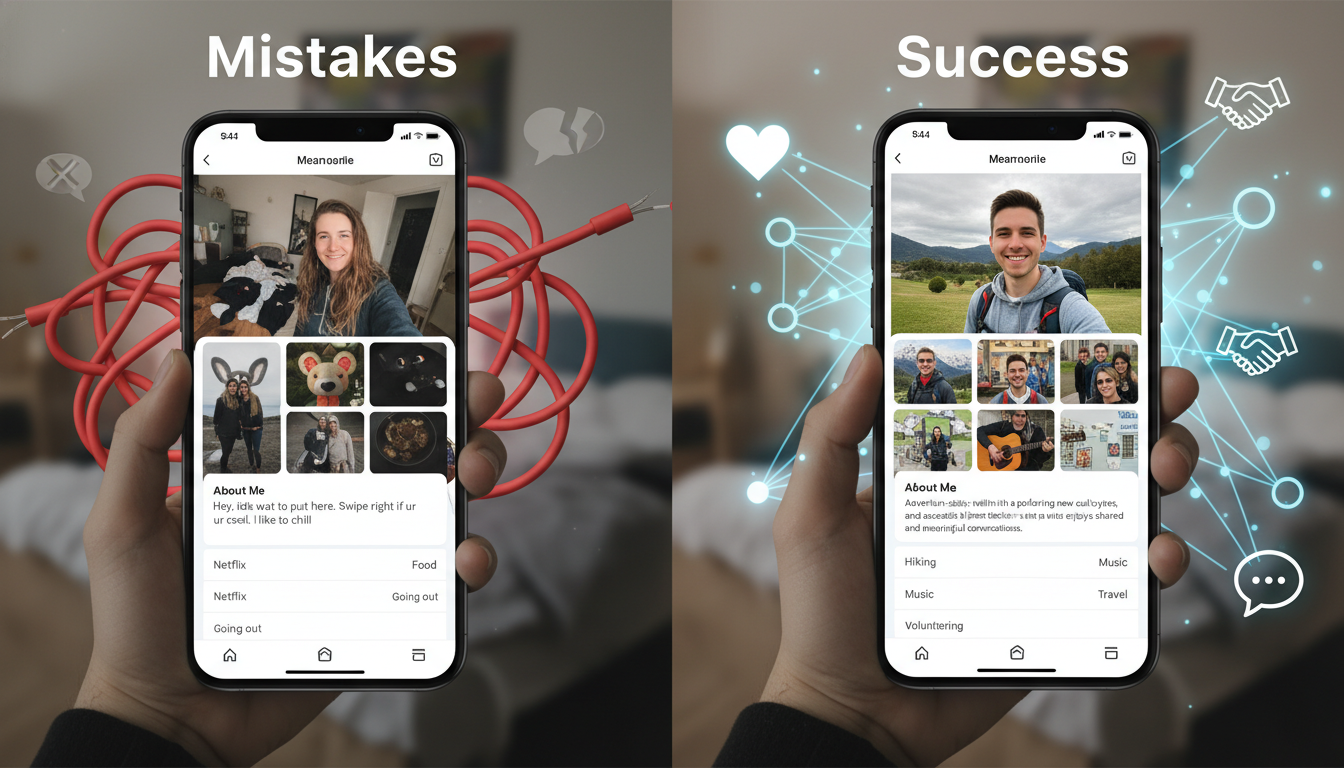
Relationship boundaries are personal limits people set to protect their well-being and guide interactions. These limits may be emotional, physical, digital, or financial. Clear boundaries help build healthy relationships by supporting emotional safety and mutual respect.
They also promote predictable and respectful communication. This article is a practical dating guide for adults wanting to understand and set boundaries.
Ads
It covers early dating and committed relationships. The article explains emotional boundaries and shares tips for clear communication. It also offers safety-minded advice for digital and physical interactions.
Good boundaries reduce stress and prevent misunderstandings. They help partners treat each other respectfully. The sections explain how to identify limits, use communication techniques, and recognize different boundary types.
They also provide practical safety tips and advice on responding if a boundary is crossed. By the end, you should identify your limits and use clear communication strategies.
You will learn to spot red flags and take steps if boundaries are violated. The guidance aims to be balanced and reliable, without quick fixes or sensational claims.
Key Takeaways
- Relationship boundaries are personal limits that protect well-being and guide interactions.
- Emotional boundaries support mental health and clearer communication.
- Practical relationship tips include setting expectations early and staying consistent.
- A dating guide that covers digital and physical safety reduces risk and stress.
- Knowing how to respond to boundary violations helps maintain healthy relationships.
Why Healthy Boundaries Matter in Dating and Relationships
Clear limits shape how we connect with others. Setting emotional boundaries early protects time, values, and self-worth. This protection supports emotional health and allows space for honest choices.
How boundaries protect emotional health
Boundaries prevent emotional burnout by making needs clear. Psychologists say clear limits lower anxiety in attachment. They also ease asking for support.
Weak boundaries can cause codependency and chronic stress. Naming what you will and will not accept stops resentment from building.
The link between boundaries and mutual respect in dating
Agreed relationship boundaries build trust between partners. Respect grows when partners honor alone time, privacy, and communication preferences.
Respect means accepting that limits change over time. Negotiating boundary changes shows care for feelings and relationship growth.
How clear limits reduce relationship stress and conflict
Explicit expectations lower misunderstandings in relationships. Saying what you expect about texting, exclusivity, or money stops fights before they start.
Simple structures like regular check-ins or shared rules act as guardrails. They reduce tension and help partners avoid simmering anger.
Healthy relationships rely on emotional boundaries that protect each person. Clear limits help partners stay connected without losing well-being.
Identifying Personal Limits and Needs
Before you talk with a partner, take time to map your personal limits and needs. Clear self-knowledge makes setting boundaries easier.
Use short reflection sessions to turn vague feelings into specific choices.
Reflective questions to discover your personal limits
Try specific prompts when journaling or sitting quietly for 10–20 minutes:
- What activities make me feel energized or drained?
- When do I feel disrespected or ignored?
- Which items are must-haves versus negotiables in a partnership?
After answering, pick your top three non-negotiables and three flexible preferences. This list helps with practical boundary setting.
It also gives clarity during dating awareness moments.
Recognizing emotional triggers and past influences
Triggers often come from childhood, past relationships, or cultural expectations. Watch for signs like sudden anger, withdrawal, or repeating old unhealthy patterns.
Use a pause-and-note method: pause before reacting and record what triggered you. Trace it to a past pattern. Then pick a response that respects your emotional boundaries.
This practice reduces reactive cycles and builds healthier reactions over time.
Balancing independence and togetherness
Balance means keeping personal interests, friendships, and routines while making shared experiences.
Schedule solo time and protect habits that support your identity.
- Agree on shared responsibilities step by step.
- Keep financial independence where appropriate.
- Negotiate changes as the relationship grows.
Relationship boundaries can evolve. Negotiating with respect helps partners find a healthy mix of closeness and autonomy.
Practical takeaway: knowing your limits and recognizing triggers makes boundary setting precise and lasting. This clarity boosts dating awareness and supports strong emotional boundaries.
Communication Tips for Setting Boundaries
Clear communication is key to healthy relationships. Use simple words and a steady tone. Make specific requests so partners understand your needs clearly.
Below are practical steps for setting boundaries and having respectful talks.
Using I-statements and assertive language
I-statements have three parts: describe the behavior, say your feeling, and ask for a change.
For example: “When messages come every hour, I feel overwhelmed. I need one check-in mid-day.”
This way, you name your experience without blaming others. It balances between avoiding conflict and making demands.
- Example for communication frequency: “When we text late at night, I lose sleep. I need messages after 9 PM to be non-urgent.”
- Example for personal space: “When you drop by without warning, I feel crowded. I need a quick heads-up first.”
- Example for phone privacy: “When my phone is checked without asking, I feel violated. I need privacy unless I agree otherwise.”
Timing and tone: when to bring up boundary conversations
Choose calm moments for these talks, not during arguments. If the topic feels tense, schedule a short check-in.
Set an intention to solve problems together. A calm voice lowers defensiveness and helps your partner focus.
Keep language short and avoid lecturing or ultimatums unless safety is a concern. Brief statements work better.
Planning gives both people time to think and respond thoughtfully.
Active listening techniques to reinforce boundaries
Active listening shows you value the other’s view and helps keep agreements. Follow these steps:
Paraphrase what you hear, validate feelings, ask questions, then summarize the agreement.
This lowers misunderstandings and builds trust.
- Paraphrase: “So you feel upset when plans change last minute.”
- Validate: “I can see why that would be frustrating.”
- Clarify: “Do you mean changes within 24 hours, or any same-day changes?”
- Summarize: “We’ll give 24-hour notice for plan changes and confirm by text.”
Following through matters. Repeat key agreements in a text or calendar note.
This helps keep boundaries clear over time. Being consistent with these tips supports healthy relationships.
Relationship Boundaries
Healthy relationship boundaries help partners know what to expect and where to give space. Clear limits improve trust and lower conflict. They also make it easier to navigate everyday choices.
Use the list below to see common boundary types. Learn how they show up in daily life.
Types of boundaries
- Emotional boundaries: Rules about how much to share and how to ask for support. Partners also decide how to respond to each other’s feelings. An example is asking for time alone after a stressful day rather than unloading immediately.
- Physical boundaries: Limits on touch, personal space, and sexual consent. This includes agreements about hugging or sleeping arrangements. It also covers when to ask before entering a private room.
- Digital boundaries: Expectations for privacy on phones, social media posts, and message access. A simple rule might be asking before scrolling a partner’s messages. Couples may also agree on what is shared publicly.
- Financial boundaries: Clarity about bill splitting, gifts, joint accounts, and money decisions. Couples may divide shared costs or keep separate budgets for personal spending.
Healthy vs. unhealthy examples
- Healthy: Asking before borrowing a phone or checking in about a big purchase. These actions respect privacy and build trust.
- Healthy: Agreeing on a texting rhythm that fits both schedules. This way, neither partner feels ignored or overwhelmed.
- Unhealthy: Monitoring devices without consent or isolating a partner from friends. Such behaviors erode autonomy and trust.
- Unhealthy: Imposing financial demands or shaming a partner for their choices. This leads to resentment and conflicts.
Negotiating and renegotiating boundaries
Boundaries change as life changes. Moving in together, marriage, or becoming parents often require new agreements.
Use a simple process: state why you want a change, propose a solution, invite feedback, and set a trial period.
Document practical agreements with notes or calendar reminders. Schedule brief check-ins to revisit what works and what needs adjustment.
This method keeps both dating and relationship boundaries flexible yet reliable.
Understanding types of limits with clear examples makes negotiations more concrete. Couples who practice this protect emotional boundaries while adapting digital and financial boundaries.
Practical Boundary-Setting Strategies in Dating
Early clarity and simple routines make dating safer and less stressful. Use plain language to share goals, availability, and comfort levels.
This builds dating awareness and supports healthy boundaries from the start.
Setting expectations early in the dating process
Once basic rapport exists, say whether you’re exploring casual connections or seeking something exclusive. Try short scripts like, “I enjoy getting to know people casually, and I prefer texting before late-night calls.”
Keep first meetings time-limited if that protects your energy. State physical affection preferences up front. That kind of boundary setting saves confusion and respects both people’s time.
Dating safety: physical and digital precautions
Prioritize physical safety by meeting in public places, sharing plans with a trusted friend, and arranging your own transport. Carry identification and keep a phone charged.
Protect digital privacy by avoiding sharing your home address or workplace too soon. Use strong passwords and review app settings for photo verification, blocking, and reporting features on platforms like Tinder and Bumble.
These steps support dating safety and maintain control over personal data.
Red flags to watch for when boundaries are ignored
Watch for repeated pressure after you say no, stalking behavior, angry reactions to limits, or attempts at financial coercion. Unwanted access to devices is a serious warning sign.
Early violations often predict later problems. If one clear request is ignored, restate the limit. If multiple crossings occur, step back and consider ending contact.
Use trusted friends or professionals for support when needed. Practical takeaway: make simple agreements early, use safety habits in-person and online, and stay alert to warning signs.
These relationship tips help you protect your well-being and act on healthy boundary setting with confidence.
Maintaining Boundaries While Growing Closeness
As a relationship grows stronger, clear boundaries help partners stay connected yet keep their own identity. Small, regular talks ease tension during changes. These talks support healthy bonds over time.
Keeping boundaries consistent during relationship milestones
Identify milestones like moving in, meeting family, combining finances, or becoming exclusive. Discuss expectations before these changes. Agree on practical rules like privacy times, chore splits, or budget limits.
Do short check-ins after transitions. This shows what works and what needs change. Gradual integration preserves trust instead of sudden moves.
When to compromise and when to stand firm
Know what issues are core values and which you can negotiate. Safety, consent, and integrity should never be compromised.
Social habits and small routines are good areas for compromise. Try trade-offs, time-limited trials, or neutral mediation if needed.
Remember, compromise must not harm safety or mental health.
Self-care practices to support boundary maintenance
Regular self-care restores energy needed for keeping boundaries strong. Make time alone, maintain friendships, and keep healthy habits like sleep and exercise.
Therapy or coaching may help when patterns seem stuck. Set reminders to revisit agreements.
Celebrate times when both partners respect limits. Active self-care builds clarity and reduces resentment.
- Practical takeaway: Sustaining boundaries takes ongoing attention, honest compromise, and steady self-care. This protects individuality and grows partnership health.
Dealing with Boundary Violations and Conflict
Boundary breaches can happen in any relationship. How you respond shapes whether it is a one-time issue or a pattern. Aim for calm clarity, clear limits, and safety-focused steps when needed.
Responding calmly and clearly to crossed boundaries
- Pause to assess your feelings and safety before reacting.
- Name the specific behavior and describe its impact using I-statements: for example, “When you check my messages, I feel invaded.”
- Request a concrete remedy: “Please stop going through my phone and ask me first.”
- Set reasonable consequences if the behavior repeats, such as taking time apart to regroup.
- Track follow-up. A one-off mistake may need simple repair. Repeated violations suggest deeper work is required.
When to seek support from friends, family, or a professional
- Reach out if conflicts continue, emotions feel unmanageable, or your sense of safety is shaken.
- Talk to trusted friends or family for emotional support and perspective.
- Consider couples therapy for patterns that block conflict resolution and individual therapy for trauma.
- Explore community resources like counseling centers, crisis lines, or digital mental health platforms for options.
Knowing when a relationship is unsafe and next steps for safety
- Recognize red flags: threats, physical harm, stalking, financial control, isolation, or ongoing intimidation.
- Take safety steps: make a plan, tell trusted contacts, secure documents, and move to a safe place if needed.
- Document incidents with dates and messages. Use device safety features like blocking and privacy settings.
- If in danger, contact emergency services or a domestic violence hotline. Seek legal advice if harassment escalates.
Practical takeaway: start with a calm, clear response to try to resolve boundary violations. If problems persist or become dangerous, seek support quickly. This approach blends relationship advice and safety guidance to help you decide when to get help.
Conclusion
Setting clear relationship boundaries starts with knowing your own limits and values. It helps to define what matters to you. This guides boundary setting, from emotional needs to digital privacy.
Clear communication and simple tools, like one I-statement, support healthy dating. They promote respect in relationships.
Practical steps matter: identify your top three personal limits. Choose one digital privacy rule. Name a trusted contact for safety.
Use relationship tips such as early expectation-setting and regular check-ins as your connection grows.
Recognize different types of boundaries. Use calm, direct responses when violations happen.
Healthy boundaries protect emotional health and support respectful, long-term connections. Boundaries evolve over time. Revisit them and keep conversations open.
Take gradual steps and use trusted resources when needed. Always prioritize your well-being when making relationship choices.
Content created with the help of Artificial Intelligence.