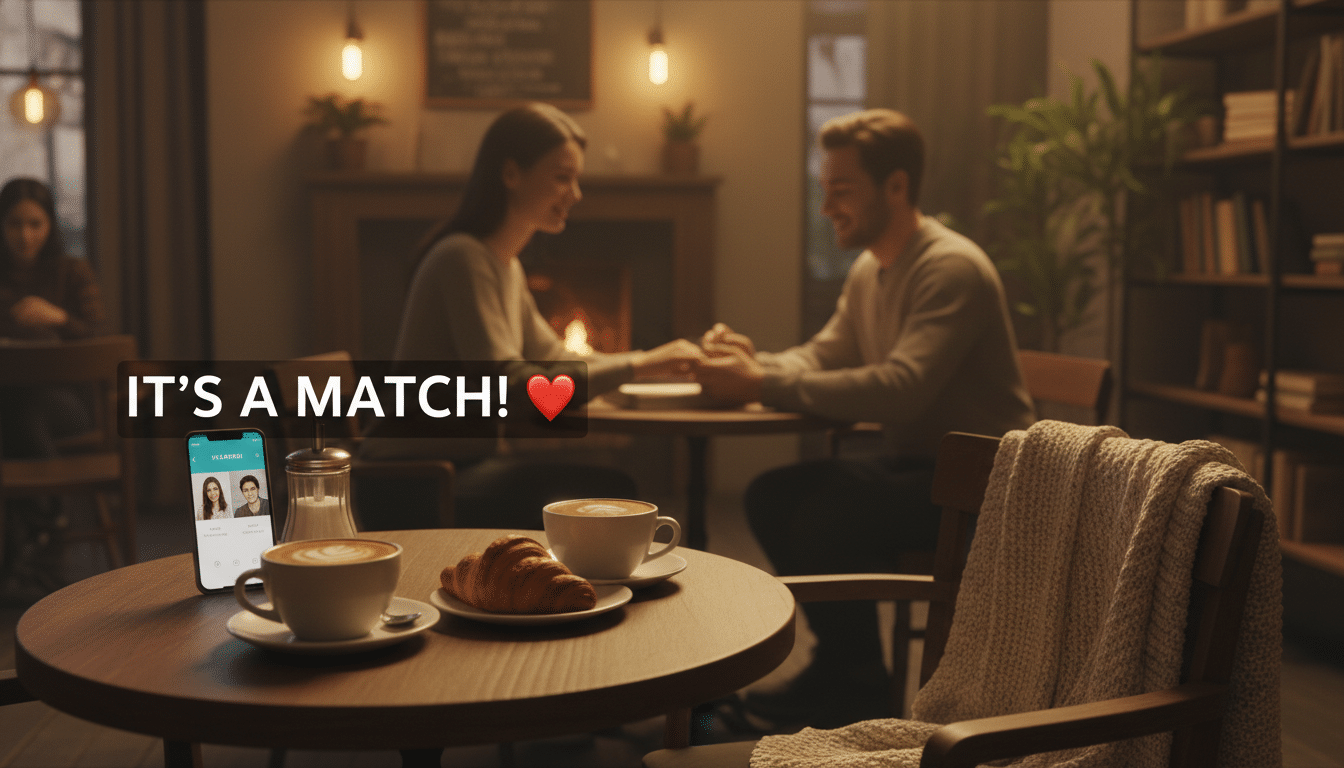
Qual estilo te chama mais atenção?



O Bumble mudou a forma de paquerar, dando às mulheres o poder de começar conversas em relações heterossexuais. Isso ajuda a criar um espaço de respeito e dá mais controle sobre as interações online.
Whitney Wolfe Herd, que trabalhou no Tinder, criou o Bumble em 2014. Ela queria um lugar mais seguro para namorar, baseado em suas próprias experiências. A história dela mostra a importância de consentimento e limites claros no app.
O Bumble não é só para namoro. Ele também tem modos para fazer amigos (Bumble BFF) e para contatos profissionais (Bumble Bizz). Isso mostra o desejo de mudar como nos conectamos em todas as partes da vida.
Em relação ao namoro online no Brasil, o Bumble tem um grande impacto. Este texto analisa como ele altera a dinâmica de gênero em plataformas digitais. E por que muitas mulheres escolhem tomar a iniciativa para encontrar bons matches.
Comparando Bumble e Tinder, nota-se uma grande diferença na filosofia. O Bumble se sobressai entre os apps de namoro. Ele é projetado para diminuir o assédio e promover interações mais significativas.
Benefícios Bumble
Origem e evolução do aplicativo: história, crescimento e posicionamento
Bumble foi criado por Whitney Wolfe Herd em dezembro de 2014. A ideia surgiu da necessidade de mudar as regras de gênero online e diminuir o assédio. Assim, o Bumble nasceu como um espaço onde as mulheres dão o primeiro passo.

Bumble
Fundação e propósito inicial
O Bumble começou com o apoio de Andrey Andreev, do Badoo. Isso ajudou o app a crescer rápido no início. Whitney Wolfe Herd se esforçou para criar a marca com poucos recursos, mas com foco na segurança. O objetivo era dar mais poder às mulheres, combater abusos e promover o empoderamento, indo além de um simples app de namoro.
Trajetória de crescimento e números-chave
- A equipe cresceu de cerca de 10 para mais de 700 pessoas, espalhadas por escritórios em Austin, Barcelona e Londres.
- Os usuários do Bumble passaram a ser dezenas de milhões, com cerca de 42 milhões de ativos em mais de 150 países.
- O uso aumentou na pandemia, com mais videochamadas e engajamento.
- O IPO fez Whitney Wolfe Herd a mais jovem CEO mulher na NYSE, um marco no crescimento do Bumble.
Posicionamento frente a concorrentes
No mundo dos apps de namoro, Bumble se destaca porque as mulheres iniciam as conversas. A comparação entre Bumble e Tinder ressalta essa diferença, especialmente no feminismo e experiência do usuário.
Quando comparam Bumble e Tinder, observa-se que ambos permitem deslizar. Contudo, a janela de 24 horas do Bumble para começar a conversa muda o jogo. Essa estratégia visava enfrentar grandes nomes do mercado, buscando mais receita e presença global.
Bumble e o design que incentiva mulheres a tomarem a iniciativa
O Bumble muda as regras da paquera, colocando as mulheres em primeiro lugar. Em conexões heterossexuais, são elas que fazem o primeiro movimento. Isso cria um espaço onde podem agir sem esperar pela ação masculina. Assim, o design do Bumble transforma como as pessoas usam o app e interagem desde o começo.
Mecânica do aplicativo que empodera mulheres
Para matches entre homem e mulher, a mulher deve mandar a primeira mensagem em 24 horas. Isso encoraja respostas rápidas e diminui a demora. Aqueles que optam por serviços pagos ganham mais visibilidade, o que pode ajudar a encontrar matches mais rápido. O Bumble também usa essa regra para incentivar amizades e conexões profissionais, promovendo o empoderamento em várias áreas.
Recursos de segurança e moderação
O Bumble é severo com a segurança. Eles não permitem fotos com armas e barram mensagens sexuais não desejadas. As usuárias têm ferramentas para bloquear e denunciar abusos, além de prazos para responder que evitam o ghosting. Videochamadas ajudam a criar uma camada extra de segurança antes de encontrar alguém pessoalmente.
Moderação e desafios práticos
A moderação do Bumble luta contra o assédio com revisões feitas por pessoas e por sistemas automáticos. Mesmo assim, ainda se vê comportamentos ruins na plataforma. Isso nos faz pensar sobre o papel da tecnologia na proteção das usuárias, sem tirar a importância da responsabilidade social.
Impacto comportamental e cultural
Usuárias e a fundadora do Bumble compartilham histórias de como o app mudou a forma delas interagirem no mundo real. Elas começaram a puxar conversas e se candidatar a empregos com mais confiança. Este impacto vai além do app, influenciando campanhas de marketing e discursos sobre empoderamento feminino.
Mudanças sociais e advocacia
Whitney Wolfe Herd e sua equipe lutaram contra o envio de imagens íntimas sem consentimento nos âmbitos legislativos. Suas ações buscam mudanças sociais que vão além do app. Porém, há críticas sobre a pressão emocional que pode recair sobre as mulheres no processo de filtrar e escolher com quem conversar.
Comportamento nas apps e reflexos no mundo real
- Normalização: mulheres tomam a iniciativa com mais frequência fora do app.
- Confiança transferida: usuárias relatam aumento de assertividade em entrevistas e redes profissionais.
- Carga emocional: debate sobre o equilíbrio entre empoderamento feminino e tarefas emocionais adicionais.
O design, segurança e a moderação no Bumble criam uma experiência única para as usuárias. Ele combina luta contra o assédio, com limitações práticas. O impacto vai além do app, mudando comportamentos e promovendo mudanças sociais.
Por que as mulheres tomam a iniciativa: fatores psicológicos, sociais e práticos
Mulheres avançam em aplicativos como o Bumble devido a uma combinação de história, mudanças sociais e decisões práticas. A história e as expectativas de gênero foram definidas por séculos, mas o Bumble busca mudar isso incentivando as mulheres a dar o primeiro passo. Esta iniciativa desafia inseguranças e reações masculinas variadas.
Condicionamento social e quebra de normas
Por muito tempo, foi esperado que os homens começassem as conversas. Isso deixou muitas mulheres com medo de serem rejeitadas. Agora, ao tomar a iniciativa no Bumble, elas enfrentam menos inibição e desafiam as normas, transformando o inusitado em habitual.
Preferência masculina vs. empoderamento feminino
Os estudos indicam que os homens geralmente estão abertos a serem abordados. Muitos se sentem confortáveis, e a reação dos homens ao Bumble mostra que não todos rejeitam ser contatados pelas mulheres. O empoderamento feminino surge quando mulheres escolhem quem querem abordar, usando a plataforma para expressar seus desejos.
Motivações práticas das usuárias
- Usuárias do Bumble buscam conexões rápidas e seguras.
- Elas desejam controlar as conversas e filtrar os pretendentes de maneira eficaz.
- Recursos como o limite de 24 horas para contato e a verificação de perfis aumentam sua segurança.
Limitações e críticas
O Bumble enfrenta críticas quanto à sobrecarga emocional para as mulheres, que muitas vezes fazem todo o esforço na triagem e na manutenção da conversa. Há também reações masculinas diversificadas e desigualdades persistentes.
Apesar das políticas do app, problemas de moderação e assédio permanecem. A desigualdade racial nos apps de relacionamento pede ações adicionais além do projeto inicial. Isso mostra que o desafio às normas de gênero e o empoderamento feminino ainda têm obstáculos a superar.
Conclusão
O Bumble foi fundado por Whitney Wolfe Herd e teve o apoio inicial de Andrey Andreev. Mudou como os encontros acontecem, já que pede que mulheres iniciem as conversas. Isso deixou um grande impacto: mais controle para as usuárias, novas formas de interagir e o lançamento dos serviços BFF e Bizz.
Esses serviços expandiram o uso do Bumble Brasil para além dos encontros amorosos.
O design do Bumble visa mais segurança e o empoderamento das usuárias. Contudo, ele enfrenta críticas por desigualdades raciais, sobrecarga emocional e problemas na moderação. Estes pontos fracos e fortes influenciam o que o Bumble se tornará no futuro.
O crescimento do Bumble e sua abertura de capital mostram seu peso no mercado global. O desafio é crescer sem perder a essência de inclusão, segurança e empoderamento feminino. Observadores e usuárias no Brasil devem ficar de olho no Bumble. O impacto dele aqui revela como o design do produto pode mudar as regras sociais relacionadas ao gênero.
Content created with the help of Artificial Intelligence.