
Bem-vindo ao nosso completo guia de cuidados com plantas em casa! Você vai descobrir dicas importantes para jardinagem. Desde escolher as melhores espécies até entender o que sua planta precisa. As plantas embelezam o ambiente e trazem benefícios para a saúde.
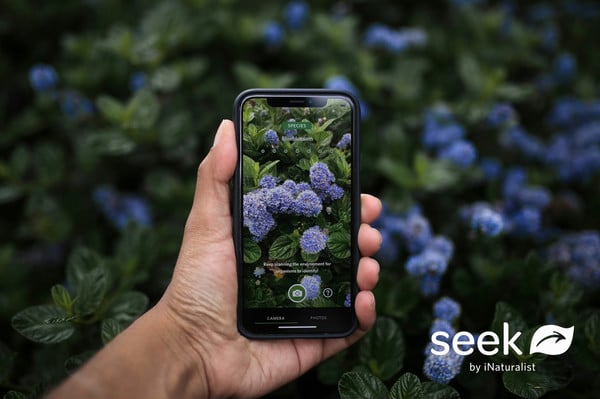
Seek App
Este guia é feito pensando em todos, dos iniciantes aos mais experientes em jardinagem. Nosso objetivo é ajudar você a tornar seu lar mais verde. Prepare-se para deixar sua casa mais acolhedora com nossas dicas!
Ads
Importância das Plantas em Ambientes Internos
Plantas são essenciais em nossas casas por muitos motivos. Elas deixam os espaços mais bonitos e ajudam na saúde dos que moram lá. Purificam o ar e fazem a atmosfera da casa melhor.

iNaturalist
Benefícios das plantas para a saúde
As plantas têm muitos benefícios conhecidos. Elas limpam o ar, tiram poluentes e aumentam a umidade. Isso pode evitar doenças respiratórias. Ter plantas por perto deixa as pessoas menos estressadas e ajuda a concentrar melhor. Conviver com elas pode fazer você se sentir mais disposto e com a mente clara.
Como as plantas melhoram a atmosfera do lar
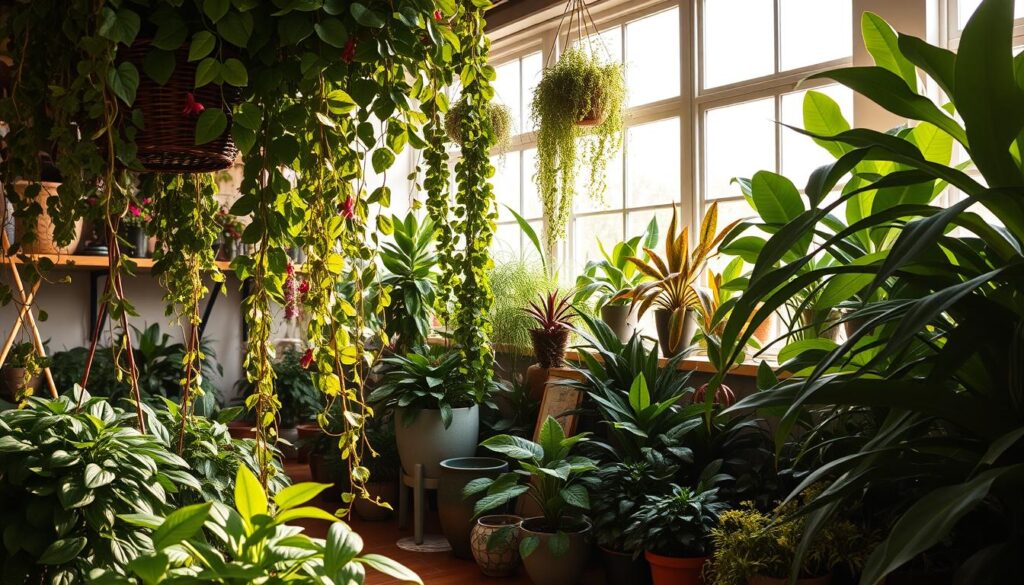
Plantas fazem a casa ficar mais acolhedora e harmoniosa. Elas trazem paz e frescor, deixando tudo mais agradável. A sua presença não só embeleza como também cria um ambiente bom para interagir e relaxar. Ter plantas por perto faz o lar ser mais feliz e cheio de vida.
Escolhendo o Local Ideal para Suas Plantas
Escolher onde colocar suas plantas em casa é muito importante para que cresçam saudáveis. A luz do sol é essencial, pois a fotossíntese, que as plantas usam para fazer energia, precisa dela. Cada planta tem suas próprias necessidades de luz. Algumas precisam de muita luz direta e outras crescem bem na sombra.
Luz solar: como influenciar no crescimento
Para suas plantas ficarem bonitas e saudáveis, veja quanto sol elas precisam. Coloque-as no lugar certo da casa para pegarem a luz ideal. Isso vai fazer bem para as folhas, flores, e frutos delas.
Umidade e ventilação adequadas
Manter o ar e a umidade certos é tão importante quanto a luz. Se tiver muita umidade, pode aparecer fungo. Se for muito seco, as plantas podem secar. Uma boa ventilação evita ar parado, criando um ambiente perfeito para as plantas.
Tipos de Plantas para Ambientes Internos
Escolher plantas certas para dentro de casa pode fazer o ambiente ficar mais alegre e fresco. Plantas que não precisam de muitos cuidados são ideais para quem está começando. Elas também são ótimas para quem tem uma vida corrida. Inserir ervas em casa une utilidade e beleza, dando um toque especial na cozinha.
Espécies de baixo manutenção
Cultivar plantas de baixo manutenção deixa a jardinagem interna fácil e divertida. Algumas opções incluem:
- Cactos
- Suculentas
- Sansevieria (ou espada-de-são-jorge)
- Filodendro
- Pothos
Elas precisam de pouca água e resistem a várias condições. Assim, até quem é novato na jardinagem consegue ter sucesso.
Plantação de ervas e temperos dentro de casa
Cultivar ervas como manjericão, alecrim e hortelã em casa é prático. Trazer sabores frescos para a comida fica fácil. Elas crescem bem em vasinhos que ficam ótimos em janelas ou cantinhos da cozinha. A jardinagem urbana mostra sua utilidade e beleza, criando espaços acolhedores e cheios de aroma.
Como Cuidar da Luz Solar das Plantas
A luz é crucial para a saúde das plantas. Ela afeta diretamente a fotossíntese, essencial para o crescimento. Cada planta tem necessidades específicas de luz. Conhecer essas necessidades é chave para o desenvolvimento delas. Escolher o cuidado certo com a luz solar para cada tipo faz toda a diferença na vitalidade e beleza das plantas.
Identificando a necessidade de luz de cada planta
Algumas plantas precisam de 6 horas de sol direto por dia. Outras preferem ambientes com luz indireta. Saber de onde cada planta vem ajuda a entender o que ela precisa de luz.
Fatores como tipo de planta, clima do local e quanto tempo fica no sol ajudam. Eles permitem cuidar delas de modo correto e eficiente.
Fatores a considerar na posição das plantas
Escolher onde colocar as plantas requer atenção à luz e às mudanças dela durante o ano. É vital ver onde a planta fica em relação às janelas e se algo bloqueia a luz. Isso influencia diretamente na capacidade da planta de fazer fotossíntese, o que impacta em seu crescimento saudável.
Rega: O Equilíbrio Perfeito
Regar as plantas é essencial para mantê-las saudáveis. A maneira de irrigar tem um grande impacto no seu crescimento. As necessidades de água variam muito entre as plantas. É crucial dar água na medida certa, evitando excesso ou falta.
Como evitar excessos ou falta de água
Água demais pode fazer as raízes apodrecerem. Já a falta d’água deixa a planta desidratada. Para prevenir problemas, observe os sinais das plantas. Folhas amarelas ou caídas indicam algo errado. Cheque a umidade do solo com o toque. Espere o topo secar antes de regar de novo.
Frequência de rega para diferentes tipos
Ajuste a rega ao que cada planta precisa. Suculentas, por exemplo, precisam de menos água. Samambaias gostam de solo sempre úmido. Saber quanto de água sua planta necessita ajuda a cuidar melhor dela e a mantê-la crescendo forte.
Solo Adequado para suas Plantas
Ter um solo bem preparado faz toda a diferença para cultivar plantas em casa. A saúde e o crescimento das plantas dependem diretamente da qualidade do solo. Uma análise de solo pode revelar muito sobre o que ele precisa para melhorar e sustentar a vida das plantas.
Análise do solo e suas necessidades
É importante checar o pH, a fertilidade e os nutrientes do solo. Essa avaliação mostra se o solo atende às exigências de cada planta. Caso faltem nutrientes, a adição de fertilizantes certos melhora o solo, beneficiando o crescimento das plantas.
Como melhorar a drenagem do solo
Evitar que a água fique acumulada no solo é essencial. Excesso de água pode apodrecer as raízes. Para uma melhor drenagem, siga estas dicas:
- Adicionar areia ou cascalho ao solo ajuda na estrutura.
- Usar matéria orgânica, como composto, para arejar o solo.
- Não escolha vasos sem furos, eles retêm água demais.
Fertilização: Nutrientes Essenciais para suas Plantas
Plantas precisam de nutrientes para crescer bem. Fertilizantes são importantes para o desenvolvimento de folhas e raízes. Existem vários tipos de fertilizantes, e cada um ajuda de forma diferente.
Tipos de fertilizantes e suas funções
Existem três tipos principais de fertilizantes:
- Fertilizantes orgânicos: Vêm de materiais naturais, melhoram o solo e fornecem nutrientes aos poucos.
- Fertilizantes inorgânicos: Têm nutrientes que as plantas usam rápido, bom para crescerem rapidinho.
- Fertilizantes de liberação controlada: Mantêm os nutrientes por mais tempo, garantindo alimentação constante às plantas.
Épocas certas para fertilizar
Escolher o momento de fertilizar é muito importante. Fazer isso durante a primavera e o verão ajuda as plantas a ficarem saudáveis. Mas cuidado para não exagerar, pois muitos nutrientes podem ser ruins.
Controle de Pragas e Doenças nas Plantas
Manter seu jardim saudável é muito importante. Isso significa ficar de olho para evitar problemas, como doenças ou pragas. Usar medidas preventivas ajuda bastante. Por exemplo, um espaço limpo e com boa ventilação faz diferença. Também, integrar técnicas de jardinagem que fortalecem as plantas e o solo é um bom caminho.
Identificando e prevenindo problemas
Para evitar pragas eficazmente, você precisa conhecer os sinais de alerta. Fique atento a:
- Folhas manchadas ou com partes faltando.
- Insetos visíveis rondando suas plantas.
- Plantas que murcham do nada ou crescem de forma estranha.
Depois de identificar, algumas ações podem proteger suas plantas:
- Mude as plantas de lugar para confundir as pragas.
- Coloque certas plantas juntas; algumas afastam insetos.
- Manter a terra nem muito seca nem muito molhada.
Métodos naturais de controle
Para um jardim saudável, prefira métodos naturais. Eles evitam produtos que fazem mal. Algumas ideias são:
- Chamar insetos amigos, como joaninhas, para comer pulgões.
- Fazer uma mistura de água e sabão para espantar bichos.
- Plantar ervas com cheiro forte, elas podem manter as pragas longe.
Essas práticas cuidam do seu jardim e ajudam a preservar a natureza ao seu redor.
Podas e Manutenção Regular das Plantas
Fazer podas e manter as plantas saudáveis são passos cruciais para sua saúde e crescimento. A poda, feita corretamente, ajuda as plantas a crescer melhor e terem um aspecto bonito. Limpar folhas e galhos secos não só deixa a planta mais bonita como também previne doenças.
Quando e como realizar podas
As melhores épocas para podar variam conforme a planta. É essencial conhecer bem cada uma para podar corretamente. Na hora de podar, lembre-se de:
- Identificar o tipo de planta e entender seu ciclo de crescimento.
- Utilizar ferramentas de poda limpas e afiadas para evitar danos.
- Remover partes secas, doentes ou danificadas.
Importância da remoção de folhas secas
Limpar folhas secas é um cuidado constante que faz toda a diferença. Esta prática:
- Evita que pragas e doenças se espalhem.
- Estimula o surgimento de novas folhas e brotos.
- Mantém o espaço de cultivo limpo e organizado.
Conclusão
Cuidar de plantas em casa não traz só beleza. Traz também saúde e bem-estar. Falamos sobre escolher o lugar certo, e sobre luz, água e solo. Também sobre como cuidar bem das suas plantas.
Seguindo as dicas, você criará um ambiente verde em casa. Falamos da importância de cuidar das plantas. Elas melhoram o ar e fazem o lugar ficar mais gostoso.
Ter plantas muda o visual da sua casa e traz calma. Dedique tempo às suas plantas e veja como elas melhoram seu dia a dia.
FAQ
Quais são os principais benefícios das plantas para a saúde em ambientes internos?
Elas limpam o ar e aumentam a umidade. Isso é bom para respirar melhor. Ter plantas por perto também diminui o estresse e pode ajudar a focar mais nos estudos ou trabalho.
Como escolher o local ideal para minhas plantas?
O importante é olhar quanto sol o espaço recebe, além de considerar a umidade e se o ar circula bem. Enquanto algumas plantas adoram sol direto, outras preferem lugares mais sombreados.
Quais espécies de plantas são recomendadas para iniciantes?
Para quem está começando, cactos e suculentas são ótimos por precisarem de pouca água. Plantar ervas como manjericão, alecrim e hortelã em casa também é uma boa ideia.
Com que frequência devo regar minhas plantas?
Isso varia de acordo com a planta, o clima e o solo. Mas é melhor regar pela manhã ou à tarde. Assim, elas ficam úmidas por mais tempo.
Como posso melhorar a drenagem do solo?
Misturar areia ou cascalho ao solo ajuda muito. Isso evita água parada, o que é ótimo para as raízes.
Qual é a importância da fertilização nas plantas?
Fertilizar significa dar às plantas os nutrientes que elas precisam para crescer fortes. Mas lembre-se de não exagerar para não fazer mal a elas.
Como prevenir pragas e doenças nas plantas?
Fique de olho nas plantas para pegar pragas cedo. Manter tudo limpo e usar métodos naturais ajuda a manter as pragas longe.
Quando devo podar minhas plantas e por que isso é importante?
Pode quando for a época certa para cada planta. Poda ajuda no crescimento e tira partes ruins que podem atrair doenças.
Content created with the help of Artificial Intelligence.