
Você é apaixonado por jardinagem ou trabalha com agricultura e já se deparou com pragas ou doenças nas suas plantas? Então este artigo é para você! Vamos explorar os melhores aplicativos para identificar pragas e doenças, comparando suas funcionalidades e avaliações de usuários. Além disso, vamos entender como essas tecnologias podem transformar a maneira como cuidamos das nossas plantas, garantindo colheitas saudáveis e produtivas. Prepare-se para aprender como a tecnologia pode ser sua aliada na luta contra as pragas!
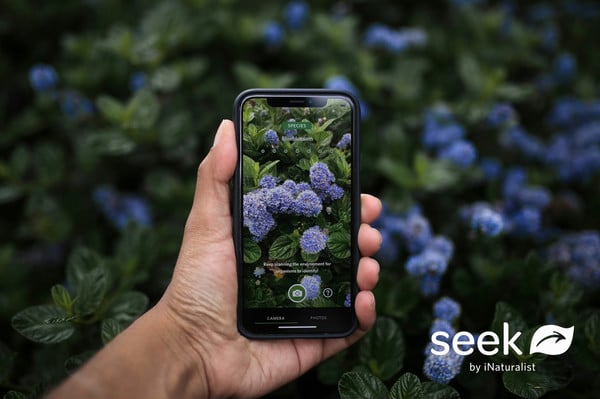
Seek App
Quais são os melhores aplicativos para identificar pragas e doenças em plantas?
Existem vários aplicativos no mercado que ajudam na identificação de pragas e doenças em plantas. Entre os melhores, destacam-se o FieldSolve e o PlantSnap. O FieldSolve, disponível aqui e neste link, é um aplicativo ideal para o monitoramento de culturas, permitindo que os agricultores façam anotações, tirem fotos e registrem observações, tudo com o objetivo de facilitar a análise de dados.
Ads
Esses aplicativos muitas vezes utilizam tecnologias avançadas de reconhecimento de imagem, permitindo um diagnóstico ágil de pragas através do envio de fotografias das plantas. Os usuários elogiam a facilidade de uso e a eficácia desses aplicativos, especialmente quando se trata de identificar rapidamente infestações que poderiam ameaçar a produtividade. Além disso, a integração com dados de campo permite um controle eficaz das pragas com tecnologia de precisão.

iNaturalist
As avaliações de usuários geralmente destacam as funcionalidades que ajudam a simplificar o processo de identificação. Muitas vezes, essas plataformas entregam alertas em tempo real sobre alterações nas condições das plantas, possibilitando uma resposta rápida a possíveis doenças. Por exemplo, se um agricultor perceber que a vegetação em uma área específica está começando a ficar amarelada, através do aplicativo, ele pode investigar rapidamente e tomar ações necessárias.
Aplicativos como esses tornam-se aliados fundamentais no manejo integrado de pragas, contribuindo para a saúde das culturas e para a redução de custos com defensivos agrícolas. Portanto, vale a pena explorar as opções disponíveis e escolher o aplicativo que melhor se adapta às suas necessidades.
Como os aplicativos utilizam tecnologia para o reconhecimento de pragas e doenças?
Os aplicativos para identificar pragas e doenças utilizam tecnologias como reconhecimento de imagem e inteligência artificial para transformar a forma como os agricultores monitoram suas culturas. Mas como isso funciona na prática?
Quais tecnologias estão empregadas nos aplicativos?
Esses aplicativos empregam tecnologias de reconhecimento de imagem que analisam fotos das plantas. Por exemplo, ao tirar uma foto de uma folha afetada, a tecnologia consegue identificar padrões visuais e comparar com um banco de dados de pragas conhecidas. Isso proporciona resultados rápidos e precisos, permitindo que o agricultor reaja prontamente a uma infestação.
Como a inteligência artificial melhora a identificação?
A inteligência artificial aprimora cada vez mais a identificação, aprendendo com cada nova imagem que é inserida no sistema. Assim, os aplicativos ficam mais inteligentes com o tempo, aumentando a precisão na detecção de pragas e doenças. Isso reduz a dependência de diagnósticos baseados apenas na experiência, oferecendo dados mais fundamentados.
A importância do reconhecimento visual na prática agrícola
O reconhecimento visual é essencial para a prática agrícola, pois possibilita o monitoramento contínuo das culturas. Ao receber atualizações em tempo real sobre a saúde das plantas, os agricultores podem agir rapidamente, usando técnicas de manejo integrado de pragas. Isso não apenas melhora a saúde das culturas, mas também reduz custos com produtos químicos desnecessários.
Com o uso de aplicativos de monitoramento de pragas, os agricultores podem registrar observações, comparar desempenhos e direcionar intervenções apenas onde são necessárias, o que é uma prática sustentável e eficiente.
Quais os benefícios do uso de aplicativos na agricultura?
O uso de aplicativos na agricultura traz uma série de benefícios diretamente relacionados à saúde das plantas e à proteção de colheitas. Um dos principais impactos positivos é o aumento da produtividade das culturas. Monitorar pragas e doenças em tempo real permite que os agricultores identifiquem infestações logo no início, evitando perdas significativas. Por exemplo, aplicativos como Adama Alvo facilitam essa identificação, proporcionando uma ferramenta essencial para a gestão integrada de pragas.
Outra vantagem é a redução de custos operacionais. Com a possibilidade de aplicar defensivos apenas nas áreas afetadas, o uso de tecnologia melhora a eficiência dos insumos aplicados. Isso significa que os agricultores não apenas economizam recursos, mas também minimizam o impacto ambiental, utilizando o produto certo no lugar certo e na hora certa. Assim, a aplicação se torna mais econômica e sustentável.
Além disso, os aplicativos ajudam no planejamento agrícola, ensinando técnicas que podem ser aplicadas fora da colheita. Eles coletam dados valiosos, que podem ser usados para otimizar gastos com insumos, melhorando a tomada de decisões sobre o que plantar e quando. Os dados também podem incluir imagens de satélites, que destacam áreas com crescimento irregular, ajudando o agricultor a agir rapidamente. Para mais informações sobre como esses aplicativos funcionam, confira Agrio.
Os benefícios são claros: os aplicativos não apenas oferecem um suporte no campo, mas são verdadeiras ferramentas que transformam a maneira como os agricultores encaram o manejo de suas colheitas. Eles se tornam aliados indispensáveis para um setor que busca sempre melhorar a eficiência e a sustentabilidade na agricultura.
Como escolher o melhor aplicativo para suas necessidades agrícolas?
Ao escolher um aplicativo para manejo de pragas, é crucial considerar alguns recursos essenciais. Quais são eles? Um bom aplicativo deve permitir a identificação rápida e precisa de pragas e doenças. Funcionalidades como reconhecimento de imagem, onde você pode tirar uma foto da planta afetada e receber um diagnóstico quase instantâneo, são altamente valorizadas. Além disso, a capacidade de registrar observações e tirar fotos para relatórios futuros é fundamental para um monitoramento eficaz.
As avaliações e recomendações de usuários também influenciam na escolha do app. Quando você lê sobre experiências positivas ou negativas, fica mais fácil decidir se um aplicativo vale a pena. Aplicativos bem avaliados geralmente têm uma comunidade ativa que pode oferecer suporte e dicas, além de atualizações constantes que melhoram sua eficiência ao longo do tempo.
A integração com outras ferramentas agrícolas é outro ponto a se considerar. Um aplicativo que se comunica bem com sistemas de gestão de dados agrícolas ou que utiliza tecnologia de big data pode simplificar ainda mais o monitoramento de lavouras. Por exemplo, alguns aplicativos podem se integrar com plataformas digitais, permitindo que você analise dados históricos e faça previsões baseadas em condições climáticas e de solo.
Em resumo, a escolha do aplicativo certo envolve avaliar suas funcionalidades, ler as avaliações de outros usuários e considerar como ele pode se integrar ao seu sistema atual. Isso garantirá que você tenha um suporte digital eficaz para o controle de pragas, maximizando a eficiência da sua operação agrícola.
Quais são as tendências futuras na tecnologia de identificação de pragas e doenças?
Uma das inovações mais empolgantes no campo da agricultura é o uso de inteligência artificial (IA) e big data. Estes recursos estão revolucionando a maneira como os agricultores identificam e gerenciam pragas e doenças. A previsão é que, com o tempo, o uso da IA se torne ainda mais integrado nas análises digitais da saúde das culturas. Os algoritmos serão capazes de processar grandes quantidades de dados coletados em tempo real, resultando em diagnósticos mais rápidos e precisos, ajudando os agricultores a tomarem decisões fundamentadas.
A evolução dos aplicativos é uma resposta direta às necessidades dos agricultores modernos. Com a crescente demanda por soluções inovadoras, as ferramentas de monitoramento de pragas estão se tornando essenciais. Eles permitem a documentação visual e a análise de sintomas, facilitando uma identificação mais ágil das infestações. Além disso, a personalização destes apps, com o uso de georeferenciamento, proporcionará relatórios mais detalhados sobre a saúde das lavouras.
A sustentabilidade é um pilar central nesta transformação. Com uma ênfase crescente na agricultura sustentável, a tecnologia deve priorizar soluções que minimizem o uso de defensivos químicos. A correta interpretação das análises digitais pode levar a uma aplicação mais eficiente de produtos apenas nas áreas afetadas. Isso não apenas reduz o impacto ambiental, mas também resulta em economias significativas para os produtores.
Esse panorama futuro é empolgante e repleto de possibilidades. Para se manter atualizado sobre as inovações no setor, uma boa dica é acompanhar canais como Adam A Brasil no YouTube ou ouvir podcasts sobre agricultura digital na Spotify. Essas tendências são apenas o começo da transformação digital nas lavouras!
Conclusão
Os melhores aplicativos para identificar pragas e doenças em plantas oferecem uma comparação abrangente das opções disponíveis no mercado, evidenciando características que facilitam o diagnóstico ágil e preciso. A utilização de tecnologias como inteligência artificial e reconhecimento visual não só melhora a eficácia das identificações, mas também impacta positivamente na saúde das colheitas e na redução de custos operacionais. Ao considerar esses recursos e as avaliações de usuários, é possível escolher a solução mais adequada para atender às suas necessidades agrícolas. O futuro promete ainda mais inovações que podem transformar a forma como cuidamos das nossas plantas.
FAQ
FAQs sobre Aplicativos para Identificação de Pragas e Doenças em Plantas
1. Quais são os melhores aplicativos para identificar pragas e doenças em plantas?
Os melhores aplicativos incluem o FieldSolve e o PlantSnap. O FieldSolve é excelente para monitoramento de culturas, permitindo anotações e fotos, enquanto o PlantSnap é conhecido pela eficácia em identificação rápida de pragas.
2. Como os aplicativos utilizam tecnologia para o reconhecimento de pragas e doenças?
Esses aplicativos empregam tecnologias avançadas de reconhecimento de imagem e inteligência artificial. Eles analisam fotos das plantas para identificar padrões e compará-los a bancos de dados de pragas. Isso resulta em diagnósticos rápidos e precisos.
3. Quais são os benefícios do uso de aplicativos na agricultura?
Os aplicativos aumentam a produtividade das culturas, permitindo que os agricultores identifiquem infestações rapidamente. Além disso, ajudam a reduzir custos operacionais ao possibilitar o uso eficiente de defensivos, minimizando impactos ambientais.
4. Como escolher o melhor aplicativo para minhas necessidades agrícolas?
Ao escolher um aplicativo, considere a rapidez e precisão na identificação, funcionalidades de registro de observações, e as avaliações de outros usuários. A integração com ferramentas agrícolas e a comunidade ativa em suporte também são fatores importantes.
5. Quais são as tendências futuras na tecnologia de identificação de pragas e doenças?
As inovações futuras incluem maior uso de inteligência artificial e big data para diagnósticos mais rápidos e precisos. Também se espera uma ênfase na sustentabilidade, com soluções que minimizam o uso de defensivos químicos, otimizando a saúde das lavouras.
Content created with the help of Artificial Intelligence.