
Quer saber mais sobre plantas?
Você já se perguntou como identificar aquela planta curiosa que você encontrou na caminhada do fim de semana? Com os aplicativos gratuitos para identificação de plantas, essa tarefa ficou muito mais fácil! Neste artigo, vamos explorar os melhores aplicativos disponíveis, abordando suas características, avaliações dos usuários e como funcionam. Prepare-se para descobrir uma nova maneira de se conectar com a natureza e ampliar seu conhecimento botânico de forma divertida e prática!
Quais são os melhores aplicativos gratuitos para identificar plantas?
Existem vários aplicativos gratuitos que se destacam na identificação de plantas. Aqui estão cinco dos mais populares:
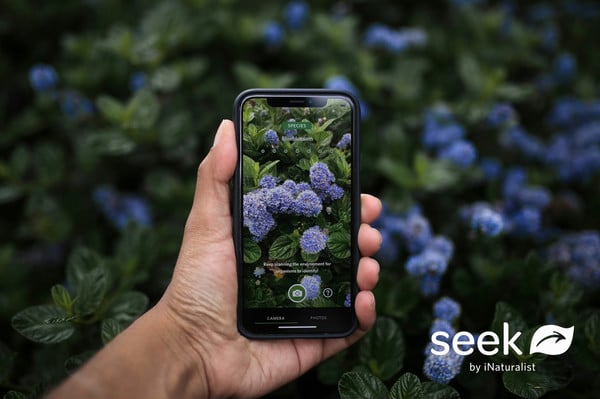
Seek App
PlantNet – Ideal para botânicos e amadores, PlantNet permite que você envie fotos de plantas e receba sugestões de identificação. Os usuários elogiam a precisão e a facilidade de uso do aplicativo, embora algumas pessoas relatem dificuldades em identificar espécies menos comuns.
iNaturalist – Este aplicativo não só identifica plantas, mas também permite rastrear as suas observações na natureza. Os usuários adoram a comunidade envolvida e as contribuições científicas. Você pode baixar o app aqui.
PlantSnap – Com uma interface amigável, o PlantSnap é ótimo para iniciantes. Os comentários destacam a vastidão do banco de dados, mas alguns usuários mencionaram que a precisão pode ser inconsistente em certas plantas. Explore mais no link.
PictureThis – Este aplicativo usa inteligência artificial para sua identificação. Muitas avaliações elogiam a rapidez e a precisão. No entanto, alguns usuários podem se sentir limitados pela versão gratuita, que possui recursos restritos. Você pode acessá-lo aqui.
Flora Incognita – Embora menos conhecido, este aplicativo é notável pela sua capacidade de fornecer informações detalhadas sobre as plantas. Os usuários apreciam os dados botânicos, mas comentam que a base de dados ainda pode ser expandida.

iNaturalist
Cada um desses aplicativos oferece características únicas, e a melhor escolha dependerá das suas necessidades e preferências. Seja para hobby ou estudo, a tecnologia disponível pode tornar a identificação de plantas uma experiência intrigante e educativa!
Como esses aplicativos funcionam na identificação de plantas?
Os aplicativos para identificar plantas utilizam tecnologias avançadas, como a tecnologia de identificação vegetal, para analisar imagens de folhas, flores e talos. Essas ferramentas geralmente se apoiam na inteligência artificial e no aprendizado de máquina para reconhecer padrões e características específicas das plantas.
Quais tecnologias são usadas para reconhecer plantas?
Os principais aplicativos empregam técnicas de visão computacional e reconhecimento de padrões. Eles comparam as fotos tiradas pelo usuário com vastos bancos de dados de imagens de plantas, permitindo que o aplicativo faça uma identificação precisa. Um exemplo prático disso é o PlantNet, um dos aplicativos mais populares, que combina dados de diferentes usuários para melhorar sua precisão na identificação.
Qual é a precisão desses aplicativos?
A precisão varia de acordo com o aplicativo e a qualidade da imagem fornecida. Em geral, muitas ferramentas atingem taxa de acerto acima de 80% quando se trata de espécies bem documentadas. No entanto, plantas menos conhecidas podem gerar resultados mais incertos, por isso é sempre válida uma pesquisa adicional para confirmar a identificação.
Como a inteligência artificial melhora a identificação?
A inteligência artificial, especialmente por meio de algoritmos de aprendizado de máquina, desempenha um papel crucial. Esses algoritmos analisam não apenas imagens, mas também dados sobre o ecossistema da planta, como localização e clima. Isso torna a identificação mais robusta e confiável. Por exemplo, ao utilizar técnicas como redes neurais convolucionais, as máquinas conseguem aprender e se adaptar, reconhecendo plantas com maior facilidade ao longo do tempo. Isso significa que quanto mais você usa o aplicativo, melhores se tornam suas próprias identificações!
O uso desses aplicativos é uma maneira divertida de interagir com a natureza e aprender mais sobre a flora ao nosso redor. Além disso, você pode se unir a comunidades online que compartilham suas descobertas, potencializando ainda mais essa experiência!
Quais recursos adicionais esses aplicativos oferecem?
Além da identificação de plantas, muitos aplicativos gratuitos oferecem funcionalidades valiosas que aprimoram a experiência do usuário. Essas funcionalidades estão diretamente relacionadas com as necessidades dos amantes da botânica que buscam explorar ainda mais o mundo vegetal.
Uma das características mais procuradas são as dicas de cuidados de plantas. Vários aplicativos, como o PlantNet, fornecem orientações sobre rega, exposição ao sol, e até mesmo as melhores técnicas de poda. Isso é especialmente útil para quem é novo nesse universo ou está começando a cultivar suas próprias plantas.
Outro recurso importante é a funcionalidade offline. Alguns aplicativos permitem que você baixe informações sobre plantas para que você possa acessá-las mesmo sem conexão à internet. Isso é incrível para aqueles que amam aventuras ao ar livre e não querem se preocupar com a falta de sinal.
Além disso, a integração social é um diferencial que muitos aplicativos apresentam. Se você deseja compartilhar suas descobertas com outros entusiastas da natureza, essas plataformas frequentemente contam com comunidades online. Algumas permitem que você envie fotos, faça perguntas e receba feedback de outros usuários, criando um espaço colaborativo.
Isso não só torna a experiência mais interativa, mas também ajuda a conectar usuários locais com interesses semelhantes, fortalecendo a troca de conhecimentos sobre botânica.
Como escolher o melhor aplicativo para suas necessidades?
Na hora de escolher o aplicativo perfeito para identificar plantas, alguns fatores são essenciais. Principalmente, você deve considerar a facilidade de uso. Muitas vezes, aplicativos complicados podem frustrar, especialmente se você só quer reconhecer uma flor no parque. Opte por aqueles que oferecem um design intuitivo e guias claros para facilitar a navegação.
Outro ponto importante é a compatibilidade com dispositivos. Verifique se o aplicativo funciona bem no seu smartphone ou tablet. Alguns apps são otimizados para Android, enquanto outros são mais compatíveis com iOS. Você pode conferir a compatibilidade direto nas lojas de aplicativos, como Google Play ou App Store. Isso pode evitar decepções na hora de instalar.
E que tal as atualizações? É crucial escolher um aplicativo que receba atualizações frequentes. Isso garante que novas plantas sejam incluídas na base de dados e que erros sejam corrigidos. Verifique a usabilidade das versões mais recentes; aplicativos atualizados geralmente oferecem melhorias significativas em desempenho, como maior rapidez e precisão nas identificações.
Por último, não se esqueça de explorar as recomendações de apps para plantas de especialistas e usuários. Leituras de listas como essa podem te ajudar a tomar uma decisão mais informada e alinhada com suas necessidades. Escolher o aplicativo certo pode transformar sua experiência na identificação de plantas, tornando tudo mais divertido e gratificante!
Quais são as tendências futuras em aplicativos de identificação de plantas?
A evolução dos aplicativos de identificação de plantas está em ritmo acelerado. Uma tendência crescente é o uso de realidade aumentada. Como isso pode impactar a área? Imagine apontar a câmera do seu smartphone para uma planta e, em um instante, ver informações detalhadas sobre ela na tela, incluindo cuidados e características! Isso não só torna a identificação mais interativa, mas também pode ajudar a educar os usuários sobre a flora local de maneira envolvente.
Outra perspectiva interessante é o futuro da inteligência artificial nos aplicativos. Com algoritmos de aprendizado de máquina, esses aplicativos ficam cada vez mais precisos. Eles aprendem novas características a partir das fotos dos usuários e melhoram a capacidade de reconhecimento. Isso significa que, ao longo do tempo, o aplicativo se torna mais inteligente e capaz de distinguir plantas mais raras com facilidade.
As parcerias científicas também desempenham um papel crucial no desenvolvimento desses aplicativos. Colaborações com universidades e projetos de conservação ambiental podem garantir que as informações sejam precisas e relevantes. Ao trabalhar com botânicos e ecologistas, os desenvolvedores podem integrar dados significativos que beneficiam o usuário e promovem a preservação das espécies.
Você pode encontrar mais sobre esses aplicativos aqui e neste lista de recomendações. Com essas tendências, o futuro dos aplicativos de identificação de plantas promete ser empolgante e recheado de inovações!
Conclusão
Explorar aplicativos gratuitos de identificação de plantas pode transformar seu relacionamento com a natureza. Neste artigo, revisamos cinco opções populares, analisando avaliações de usuários e características únicas que cada aplicativo oferece. Discutimos como essas ferramentas utilizam tecnologia avançada, como inteligência artificial e aprendizado de máquina, para reconhecer plantas com precisão. Além disso, consideramos recursos adicionais que enriquecem a experiência do usuário e como selecionar a opção ideal para suas necessidades. Com as tendências futuras, como realidade aumentada e parcerias científicas, o futuro dessas aplicações promete ser ainda mais empolgante.
FAQ
FAQ sobre Aplicativos para Identificar Plantas
Quais são os melhores aplicativos gratuitos para identificar plantas?
Os melhores aplicativos incluem o PlantNet, que permite o envio de fotos para identificação; iNaturalist, ótimo para registrar observações na natureza; PlantSnap, com uma interface amigável; PictureThis, que usa inteligência artificial para identificar rapidamente; e Flora Incognita, que oferece informações detalhadas.
Como esses aplicativos funcionam na identificação de plantas?
Os aplicativos usam tecnologia avançada para analisar imagens de plantas. Eles aplicam inteligência artificial e aprendizado de máquina para reconhecer padrões em folhas, flores e talos, melhorando a precisão de identificação ao longo do tempo.
A precisão desses aplicativos é alta?
A precisão varia, mas muitos aplicativos alcançam taxas superiores a 80% para espécies bem documentadas. Para plantas menos conhecidas, os resultados podem ser mais incertos, então é sempre bom fazer uma pesquisa adicional.
Que recursos extras esses aplicativos oferecem?
Além de identificar plantas, muitos aplicativos fornecem dicas de cuidados, funcionalidades offline para acesso sem internet e uma integração social, permitindo que usuários compartilhem descobertas e aprendam juntos em comunidades online.
Como escolher o melhor aplicativo para minhas necessidades?
Para escolher o aplicativo ideal, considere a facilidade de uso, compatibilidade com seu dispositivo, frequência de atualizações e recomendações de outros usuários. Essa pesquisa garantirá uma experiência mais gratificante na identificação de plantas!
Content created with the help of Artificial Intelligence.