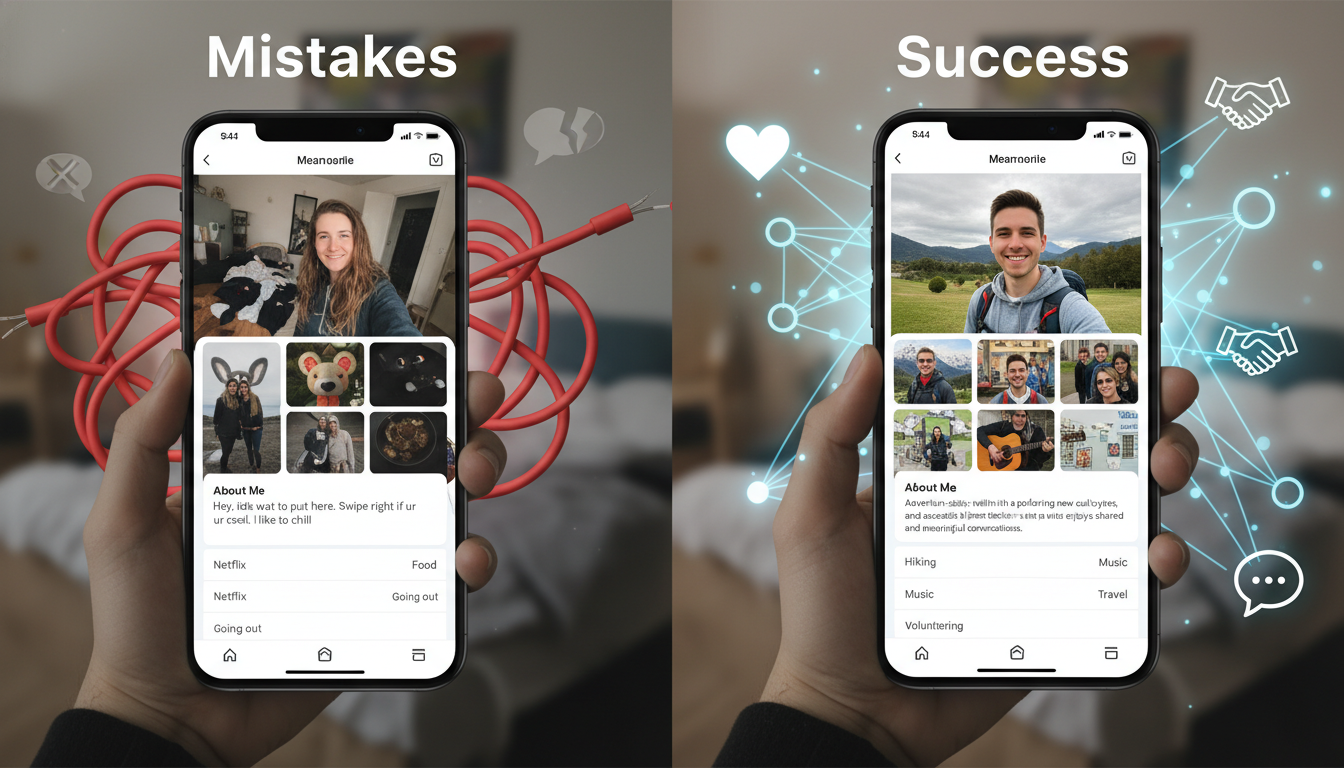
This short dating guide offers practical, evidence-informed first date tips for adults preparing for an initial meeting. The goal is to help form a genuine connection. It focuses on neutral, clear steps to set realistic expectations and build dating confidence.
The guide also helps plan a date that encourages honest conversation without pressure.
Ads
First dates set the tone for rapport and trust. Early interactions show communication styles, priorities, and signs of compatibility. A well-handled first date gives useful information about shared values that support future decisions.
Throughout this article, you will find straightforward first date advice on mindset, confidence, and practical planning tips. It includes conversation ideas, listening techniques, etiquette, safety, and follow-up strategies. These tips aim to help readers with all levels of experience.
Think in small, measurable goals: leave with a clear idea of compatibility, a comfortable impression, or a plan for a next step. Prioritize safety and respect along with openness. The advice is based on dating psychology and reputable social connection workshop practices for readers wanting to learn more.
Key Takeaways
- Set realistic goals for the first date, such as learning about values or communication style.
- Use small confidence-building steps to reduce nerves and improve dating confidence.
- Choose low-pressure settings to encourage natural conversation and honest cues.
- Practice active listening and simple follow-up questions to deepen rapport.
- Prioritize safety, clear boundaries, and respectful behavior at every stage.
Preparing Yourself: Dating Confidence and Mindset
Before a first meeting, check in with your body and expectations. Nervousness can feel like a fast heartbeat or racing thoughts. This response is normal.
You can use simple breathing and a short visualization to calm nerves. Shift your mindset toward curiosity rather than judgment.
Managing nerves and setting realistic expectations
Adrenaline and negative thinking make small doubts feel bigger than they are. Try a box breath or three slow inhales and exhales to calm yourself.
Picture arriving, greeting, and having a calm conversation for a minute. Reframe nervous energy as excitement to reduce pressure.
Set modest goals for the date. Aim to learn about the other person and show genuine interest. Notice basic compatibility.
Avoid expecting instant chemistry or long-term outcomes. Jot down a few priorities before you go—topics to discuss or signs of shared values.

Tinder
Direct Chat
Watch for mental traps like idealizing the outcome or replaying lines before they happen. If fear of rejection appears, name it and return to curiosity.
Short pre-date journaling helps clear thoughts. It also makes practical first date tips easier to follow.
Boosting dating confidence with small wins
Build momentum through progressive exposure. Start with brief social interactions, like asking a barista about their day or making small talk with a neighbor.
These moments build social comfort and support a positive dating mindset.
Use small goals you can track. Give a sincere compliment, keep eye contact during a short story, or ask an open question. Count these as wins.
Over time, small wins stack to boost dating confidence.
Lean on strengths from work or hobbies. Recall when you handled a meeting or group activity well. Use the language and posture that helped you.
This makes dating social skills feel familiar, not strange.
Self-presentation: grooming, outfit choices, and body language
Start with a grooming checklist: clean clothes that fit, neat hair, fresh breath. Choose comfort and venue-appropriate clothes.
Neutral, well-kept pieces seem approachable and let conversation shine.
Pick an outfit that matches your style and the planned activity. Avoid extremes that distract from talking.
When you feel comfortable, confidence is easier to show.
Use open body language: relaxed shoulders, moderate eye contact, and a slight forward lean to show engagement.
Mirror small gestures subtly when natural. Respect cultural differences and your own comfort limits.
Before going out, check yourself in the mirror and take two deep breaths. Switch your phone to do-not-disturb.
Keep self-presentation authentic, not performative. Authenticity helps you assess fit and follows good dating etiquette.
first date advice
Good planning makes a first meeting feel calm and natural. Use first date advice to pick a format that invites conversation.
Aim for settings where voices carry and eyes meet. A short coffee, a casual lunch, or a walk through a local market give space for pauses and follow-up questions.
How to plan a date that encourages real conversation
Prioritize venues that support back-and-forth talk over high-energy spots. Pick one main activity and a low-stakes option if things go well.
For example, finish coffee and take a stroll. Prepare a few simple topics tied to the location—a gallery exhibit, a neighborhood food stall, or a street musician—to spark comment and curiosity.
Choosing activities that match both personalities
Match introverts with quieter, shorter outings. Extroverts might prefer social or interactive plans.
Active dates like mini golf or cooking classes work when both enjoy hands-on experiences. Keep time for conversation between activities.
If unsure, send a brief pre-date message to confirm comfort with the venue and set clear expectations.
Timing, location, and the importance of a low-pressure setting
Daytime or early-evening meetups often feel safer and less intense than late-night plans. Choose public, neutral locations with easy transit or parking and seating that faces each other.
Keep the first date around 45–90 minutes. This reduces fatigue and gives both people a clear exit option if needed.
- Confirm reservations or opening hours in advance.
- Check weather and have a backup plan for outdoor options.
- Share a clear meeting point and time ahead of the first meeting.
- Offer a polite wrap-up line to keep endings graceful.
Use these first meeting tips and first date tips to form a simple, respectful dating strategy. Small choices before the date shape how comfortable and open the conversation will be.
Practical preparation keeps focus on connection rather than logistics.
Conversation Ideas and Questions to Spark a Connection
Start a date with simple, situational openers that feel natural. Comment on the venue, the menu, or something from the dating profile.
These cues ease tension and open space for genuine dating communication.
Keep questions light at first. Try friendly prompts like How has your week been? or What drew you to this place?
Such lines avoid clichés while inviting an honest reply. Use a touch of light humor if it fits your style.
Use open-ended prompts to deepen rapport without prying. Ask about hobbies, recent projects, or a favorite travel memory.
These dating questions invite stories and make it easier to share values and interests.
Balance curiosity with respect. Avoid rapid-fire interrogation. Pause after a story, reflect briefly, then follow up with a specific prompt tied to their answer.
This approach improves social skills dating and creates a comfortable rhythm.
Practice active listening. Paraphrase a short phrase, note the emotion, and ask a targeted follow-up such as You mentioned that trip—what was the highlight?
That signals attention and keeps the exchange flowing.
Handle tricky topics with care. If politics or religion appear, treat them as exploratory.
Ask about perspectives rather than debating. If the tone grows tense, steer the conversation toward shared interests.
When silence arrives, offer an observation or a playful, low-stakes question.
Small shifts like this prevent awkward pauses and sustain dating communication without forcing talk.
- Introverted opener: “What do you enjoy doing when you want to unwind?”
- Curious opener: “Have you worked on any projects recently that you liked?”
- Playful opener: “If you could pick one meal to eat forever, what would it be?”
- Venue-based: “Do you come here often or was this a new pick?”
- Profile tie-in: “I saw you like hiking—what’s a favorite trail?”
- Follow-up: “You mentioned that book—what part stuck with you?”
- Deeper prompt: “What’s a trip that changed your view of something?”
- Light reconnect: “What small thing made you smile this week?”
Use these conversation ideas and dating questions as templates. Adapt wording to fit your voice and the mood of the date.
With practice, these tools boost first date advice and help build a natural connection.
Dating Etiquette and Safe First Date Practices
Good manners and clear signals make a date feel comfortable and genuine. Use simple habits to show respect. Small choices shape the tone and connection.
Respectful behavior and boundaries
Ask permission before any physical contact. Check in with short verbal cues. Respect a clear no.
Notice nonverbal signs like closed posture or brief answers. Be punctual. Be polite to staff, and focus on your companion, not your phone.
Limit alcohol to keep judgment steady and conversations respectful. If expectations differ, acknowledge calmly. Step back without pressure.
These steps follow basic dating etiquette and help both people feel safe and respected.
Digital etiquette: texting, social media, and post-date communication
Confirm plans with short messages before meeting. Avoid long back-and-forths that may cause anxiety.
After the date, send a short note within 24 hours. Thank the person for their time. If interested, suggest a clear next step. If not, a polite brief message works.
On social media, wait for mutual cues before sending friend requests or tagging photos. Keep profile checks discreet and avoid deep digging.
Manage expectations about response times and tone. Clear, steady dating communication reduces misunderstandings.
Safety tips for first meetings and sharing logistics with a friend
Tell a trusted friend the time, place, and who you are meeting. Share a live location or set a check-in text if helpful.
Pick public venues and plan independent transport. This way, you can leave anytime you wish.
Carry a charged phone and plan your exit strategy. Trust your instincts. If something feels off, move to a public space, end the date, or call a friend.
Consider a brief video call to verify a profile before meeting if you use online platforms.
These tips aim to keep interactions respectful and secure. Use them for clear boundaries, smoother communication, and a safer, pleasant experience.
Dating Strategy: Turning a Good Date into a Potential Relationship
After a promising first meeting, think of your next moves as a simple plan, not a test. Use a calm dating strategy that balances clear signals with gentle pacing. This approach helps you assess fit without rushing or creating pressure.
Signs of mutual interest and how to respond
Look for steady cues like engaged body language, steady eye contact, and shared laughter. Reciprocal questions also show interest. Verbal hints like appreciation or future plans that include you matter.
When you see these signals, mirror the energy. Express appreciation, ask follow-up questions, and suggest an activity related to the date’s topics.
Watch for patterns during the evening and in early messages. One isolated sign is not enough for strong interest.
Balancing authenticity with curiosity
Be honest about your preferences and values. Authenticity helps you see if a match works over time.
Pair honesty with sincere curiosity. Ask about experiences, listen closely, and let questions come from what your date shares.
Keep personal stories measured. Share relevant details and let deeper disclosures grow as trust builds.
When to suggest a next date and how to follow up
If the date ends well, suggest a specific next activity within a few days. Reference something said during the meeting to show attention.
- Timing: propose a plan within a few days, not weeks.
- Structure: offer two possible times or ask an open question about their availability.
- Tone: keep messages brief, warm, and specific.
For a simple follow-up, thank them, mention a highlight, and propose a time frame for the next meet-up. This keeps momentum and respects their space.
If interest seems one-sided, reply politely and clearly to avoid leading them on. Use follow-up to confirm plans and keep respect.
After meetings, reflect on shared values, communication, and mutual effort. Use these insights to refine your dating tips and build something lasting.
Conclusion
First date tips focus on clear preparation and steady curiosity. Prepare your mindset and appearance before the date. Choose a low-pressure setting that encourages easy conversation.
Use open-ended questions to learn about your compatibility. These steps make meeting someone less stressful and more revealing.
Respect and safety are key to dating success. Keep your boundaries clear and share your plans with a friend.
Always prioritize mutual consent at every stage. Treat the date as a way to gather information, not a promise of a relationship.
This view helps manage your expectations and keeps interactions honest.
Use a short checklist before and after each date. Confirm logistics and perform a safety check first.
Send a follow-up message within 24 hours. Reflect on how well you fit with the person you met.
Build your skills by practicing small social interactions. Take brief notes after dates and adjust your approach as you learn what feels comfortable.
This dating guide supports steady growth and confidence.
Ultimately, the advice here is practical and neutral. Listen actively and respect limits to build a good connection.
Follow up thoughtfully when interest is mutual. With repetition and reflection, your social skills will improve.
This will boost your chances of finding meaningful relationships.
Content created with the help of Artificial Intelligence.