
Are you passionate about plants but have trouble identifying them? The good news is that there are a variety of amazing apps that can help! In this article, we’ll explore how to choose the best plant identification app. We’ll discuss the essential features that these apps should have, how to assess the accuracy of the information, and the importance of user experience. With practical tips and suggestions, you’ll be ready to turn your nature walks into true botanical discoveries!
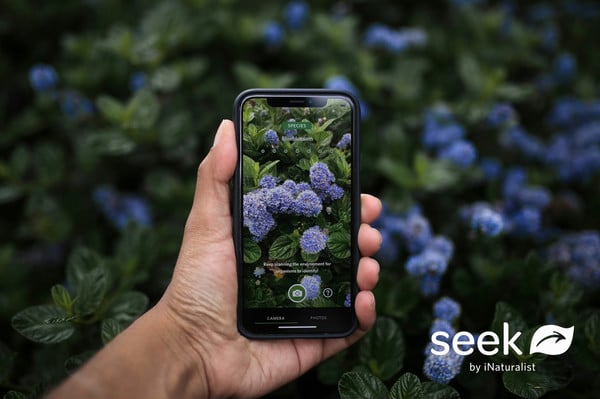
Seek App
What are the main applications for plant identification?
When it comes to identifying plants, some apps stand out in the world of botany lovers. Here are six amazing options that you can use:
Adverts
Seek: This app lets you identify plants and animals using your phone's camera. And the best part? It offers badges and challenges, making the experience fun and educational.
PlantNet: Focused on non-ornamental and horticultural plants, PlantNet uses automatic image analysis, helping you discover species quickly and easily.
iNaturalist: More than just an identification app, it connects a global community of scientists and naturalists. With over 400,000 users, your photos can contribute to valuable scientific data.
LeafSnap Plant Identification: Promises to identify up to 90% of the world's plant species. With photos sent by users, this app is a true collection of botanical knowledge.
NatureID: In addition to identifying plants, it provides detailed care instructions, such as water, light and fertilizer requirements, and even allows you to set care reminders.
Flora Incognita: Focused on plants from Central Europe, it offers detailed descriptions and data on the protected status of species. Although geographically limited, it is an excellent reference for this region.
The choice of an app is often influenced by the user community. Apps with an active user base tend to offer better recommendations and support. User feedback can be a deciding factor in your choice. To explore more about these apps, you can check out This article.

iNaturalist
How to evaluate the accuracy of botanical identification apps?
When choosing a good botanical identification app, accuracy is key. But how can you assess it?
What to consider when testing an app's accuracy?
First, check the accuracy rate. Many apps, such as PlantNet, use robust databases to compare images and provide accurate identification. Do some practical testing by photographing different plants and analyzing the app’s suggestions. The more diverse the flora you test, the better your assessment of accuracy will be.
What identification methods do the applications use?
Methods vary, but the most common include image recognition and community input. Apps like iNaturalist rely on the help of scientists and users to validate identifications. Additionally, Seek uses your phone’s camera to capture and analyze specific plant characteristics, making the process interactive and engaging.
How do user reviews reflect the accuracy of apps?
App store reviews are a rich source of information. They can reveal issues with the accuracy of identifications. If there are multiple complaints about an app suggesting that it frequently gets it wrong, that’s a red flag. Also, check to see if the developers are responsive to criticism and updates. An app that cares about feedback will work hard to improve its accuracy.
To learn more about this topic, you can explore our botanical identification app tips and user reviews. Investing time in this research will ensure you choose a reliable app.
What features and functionalities should plant apps have?
When looking for a plant identification app, it’s important to consider what care information they provide. A good app should include details about watering, light, and fertilization. This will help both beginners and more experienced gardeners keep their plants healthy and happy.
The interface of the app is also crucial. A user-friendly and accessible design ensures that you don’t have to spend hours trying to figure out how to use it. After all, the last thing you want is to feel frustrated when trying to recognize a new plant. Apps like “NatureID,” which provides simple directions and care reminders, demonstrate the importance of good usability.
Additionally, additional features can really elevate the user experience. Social integration, like on the apps iNaturalist and Seek, allows you to share your discoveries with a passionate community. These platforms enhance learning and connection between users, and make the experience more fun. Augmented reality is also an exciting trend; imagine seeing a plant in your space before you buy it!
In conclusion, when evaluating an app, look for one that combines useful information about care, an intuitive interface, and extra features that promote interaction. For more details on the best app features, check out in this article.
How to choose the best app to identify plants?
When choosing an app to identify plants, there are some essential criteria to consider. First, the precision in species recognition is crucial. Researching the app's hit rate and checking user reviews really helps. You can find this information in app stores such as Google Play and the App Store.
Another common question is whether free apps are as effective as paid apps. While many free apps, such as PlantNet and Seek, offer incredible features, some advanced functionality may be limited in the free versions. So, it’s a good idea to try out a few free apps before deciding to invest in a paid one.
Furthermore, frequent updates play a vital role in the usability of the app. Apps that receive regular updates tend to fix bugs, improve the interface, and add new features, increasing user satisfaction.
When choosing, it’s also worth considering the community that surrounds the app. Tools like iNaturalist have a large network of scientists and enthusiasts, which not only improves the accuracy rate but also allows you to actively participate in a larger project.
So, when looking for the ideal app to identify plants, take into account accuracy, other users’ experience and regularity of updates. This way, your botanical adventure will be much more enjoyable and educational.
How does user experience affect the choice of botany apps?
The user experience of botany apps can make all the difference when choosing an app. Users look for interfaces that are intuitive and pleasant, as this makes it easier to identify plants. A confusing interface can lead to frustration, while an easy-to-navigate interface increases satisfaction and the likelihood of continued use. Apps that have a pleasant aesthetic and simple menus tend to receive positive reviews.
Community feedback is crucial. By reading reviews and comments from other users, newcomers can decide which app will best suit their needs. It’s interesting to see how real-life users’ impressions of the accuracy and speed of apps influence their choices. Social media groups or forums dedicated to botany also often share valuable experiences, such as tips on how to take better identification photos or reports on how an app worked in specific situations.
Furthermore, the presence of technical support and an active community are even more important. A good app should offer easy-to-access support, ensuring that questions and issues are resolved quickly. Having an active community means that users can exchange information, tips and even troubleshoot issues together. This interaction not only improves the individual experience, but also strengthens the botanical learning network.
If you're looking for additional information or want to explore different app options, be sure to check out this guide on botany apps.
Conclusion
In this article, we explore the top plant identification apps, highlighting their features and how the user community influences their choices. We also discuss the importance of evaluating the accuracy of apps and the essential features they should have. Finally, we discuss how to choose the best app, taking into account criteria such as cost and frequency of updates, as well as the impact on user experience. With so many options available, choosing the right app can transform the way we interact with nature, making it easier to recognize and care for plants.
FAQ
FAQ about Plant Identification Apps
What are the best apps for plant identification?
The best apps include Seek, PlantNet, iNaturalist, LeafSnap, NatureID, and Flora Incognita. These apps offer a variety of features, from photo identification to plant care tips, making the experience interactive and educational.
How can I evaluate the accuracy of a botanical identification app?
Assessing accuracy involves checking the app’s accuracy rate, conducting practical tests by photographing different plants, and analyzing the suggestions generated. Apps like PlantNet use robust databases that help with accurate identification.
What features are essential in a plant identification app?
A good app should provide information about care, such as water and lighting needs. Additionally, a user-friendly interface and additional features, such as social integration and care reminders, enrich the user experience.
How does user experience influence the choice of an application?
User experience is key. Intuitive and user-friendly interfaces can increase satisfaction and continued use. Reviews from other users and community feedback can also help you choose the most suitable app.
Are free apps as effective as paid ones?
While many free apps, such as PlantNet and Seek, offer great functionality, some paid options may have additional features. It’s a good idea to try out the free ones before deciding to invest in a paid version.
Content created with Artificial Intelligence Assistance