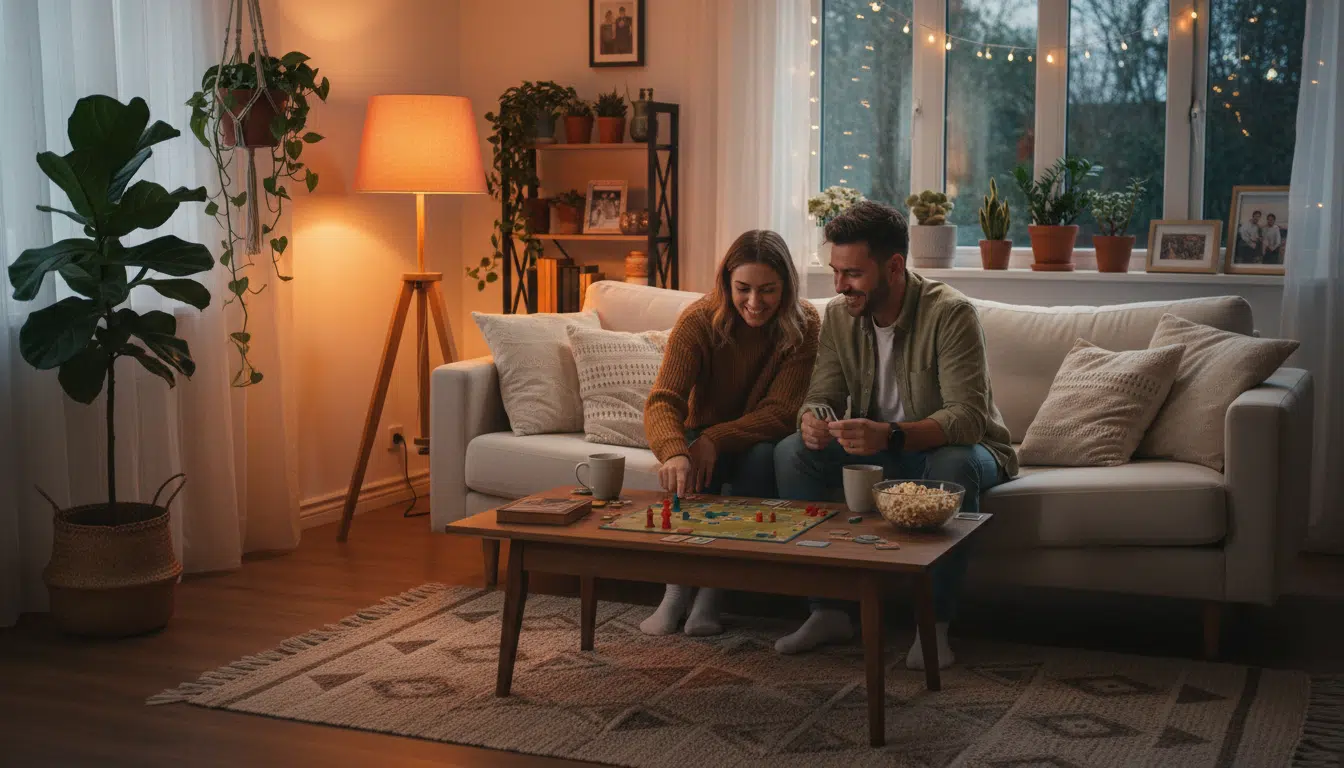
Respect is more than just good manners. It's recognizing the value of others every day. The word comes from Latin. respecting, meaning to look attentively. This idea is fundamental to maintaining any healthy relationship.
Listening attentively, knowing your limits, and admitting mistakes are essential in respectful relationships. Alexandre and Bruna in Respectful Relationships They explain how this changes childhood patterns. They show the path to becoming a "Healthy Adult." The idea of respect as the key to change is supported by the Dalai Lama.
Advertisements
Respect, trust, and intimacy grow between a couple. This allows each person to be vulnerable and grow without losing their essence. Unlike obedience, respect requires reflection and empathy.
This text discusses how to build a solid foundation for love. We'll talk about communication, empathy, and how to deal with disrespect. The goal is to transform the relationship into a source of happiness.
Why respect is the foundation of a healthy and happy relationship.
Respect is fundamental to building a strong couple, based on trust and mutual growth. It allows daily conversations to take place with dignity and acceptance of each other's differences. This creates an environment where the couple can communicate freely, without fear of being belittled.
Defining respect in affective relationships.
Respecting those we love means treating them well, recognizing their importance, and truly listening to what they say. This includes caring, paying attention to their needs, and respecting their decisions. Maintaining individuality while strengthening our relationship is vital.
The impact of respect on trust, intimacy, and emotional security.
- Emotional trust It grows when promises and boundaries are respected; this allows vulnerability without fear.
- Intimacy deepens through active listening and language that doesn't humiliate; small daily acts add up to great closeness.
- Emotional security It arises from perceiving the partner as a stable support; the feeling of protection fosters well-being and autonomy.
The difference between respect and obedience.
Respect means choosing to value one another. Obedience, on the other hand, often stems from fear or a desire for punishment. Understanding this helps to avoid confusing control with proof of love.
In a healthy relationshipThere is a balance of power and care for each other's feelings. When the couple acts with respect, the relationship becomes a safe place for them to grow together, while maintaining their individuality.
Relationships Based on Respect
Relationships that value respect grow through daily practices. There are elements that help to assess and strengthen love. Here are some tips to notice habits that promote affection and mutual respect.
Essential pillars of relationships based on respect.
active listening Clear communication and understanding are the foundations of respect. They make both parties feel important and heard.
- Respect for feelings: acknowledging emotions without dismissing them.
- Recognizing boundaries: accepting the need for space and autonomy.
- Honesty and responsibility: admitting mistakes and making amends when necessary.
- Gratitude and celebration: valuing each other's achievements to strengthen bonds.
- Equality of power: shared decision-making that avoids unilateral control.
- Personal freedom: support for individual growth within the romantic partnership.
Reparative practices are important. Couples who respect each other talk, apologize, and make changes after mistakes.
How to identify if a relationship is based on respect.
Routines and reactions reveal whether a relationship is healthy. See how conflicts are resolved and differences are addressed.
- Consistency in care: small gestures that are repeated show commitment.
- Absence of manipulation: there is no emotional blackmail or punishment used for control.
- Repairability: when there is damage, there is a sincere effort to repair it.
- Treating disagreements with dignity: disagreement doesn't turn into humiliation.
- Reflecting on one's own actions: affective responsibility translates into change.
Assess these points to look for signs of a healthy relationshipThey help you decide whether it's worth investing in or making adjustments to the relationship.
Emotional communication: listening and engaging in dialogue with respect.
One of the emotional communication Effective communication increases trust and reduces problems. It's vital to start by establishing a safe space and clear rules. This improves communication and helps transform problems into opportunities for growth.
Principles of active listening
to practice the active listeningIt's necessary to focus completely on the other person. It's also helpful to ask questions to clarify facts and feelings.
- Avoid interrupting; give them time to speak.
- Repeat in your own words what you heard to check your understanding.
- Respond with empathy, without judgment.
Following these steps strengthens communication and avoids misunderstandings.
Tools for respectful dialogue in conflicts.
Organizing the conversation helps resolve conflicts between couples. Define the topics, time limits, and necessary breaks before talking.
- Begin with neutral observations about facts, without accusations.
- Use "I" statements to express emotional impact.
- Include concrete and verifiable requests instead of vague demands.
Nonviolent Communication techniques help people accept responsibility and apologize sincerely. This encourages mature and respectful dialogue.
How to deal with emotional triggers and power imbalances.
Emotional triggers stem from our personal histories and can worsen arguments. Look for warning signs and suggest a break to calm down.
- Create a safe word to interrupt when the dialogue becomes reactive.
- Set a time for resuming the conversation and decide who will initiate it.
- Practice breathing or grounding exercises before continuing.
In situations of unequal power, the stronger party should help the other to express themselves. Recognizing one's own privilege and avoiding forcing the issue helps maintain a safe dialogue.
With these principles, the emotional communication It becomes useful for preventing and correcting problems in the relationship.
Empathy and reverence: cultivating understanding to strengthen loving partnerships.
To build mutual respect, it's essential to pay attention to how we present ourselves to our partner. Empathy is a bridge that connects understanding and care in a relationship. When a couple accepts each other's feelings without judgment, they pave the way for safe conversations and constant respect.
Types of empathy and their role in relationships
A cognitive empathy It helps us see the world through our partner's eyes. This type allows us to understand the other person's motives, expectations, and decisions.
Sharing feelings is the foundation of emotional empathyFeeling close to another person reduces loneliness and strengthens emotional connection.
Compassionate empathy motivates actions to alleviate the suffering of others. In a romantic relationship, it manifests itself through gestures that demonstrate genuine care.
Practical exercises to develop empathy in couples.
-
10-minute role-play: one person describes something difficult, the other repeats it using... cognitive empathyThen, discuss the accuracy and tone used.
-
Weekly guided dialogue: discuss an emotional need and how to meet it. Use open-ended questions and show support.
-
Daily emotional check-in: At the end of the day, share how you felt. A brief validation and a loving touch can stimulate... emotional empathy.
-
Being intentionally kind: be inspired by the ideas of Susana Raurich and Eric Berne. Smiling, listening before speaking, and small gestures increase affection and respect.
-
Healthy Adult Activity: List actions that strengthen the connection without reliving past hurts. Weekly, record one action that improves your... romantic partnership.
These activities help turn routine into a practice of caring. Using cognitive empathy Both emotionally and collectively, the couple builds a foundation for a happy relationship. This includes clear communication and respect for one another.
How to prevent and respond to disrespectful behavior.
It's important to recognize harmful patterns early on in order to maintain a good relationship. This includes speaking clearly, respecting the other person, and being responsible for your actions. If you notice something wrong, it's essential to act firmly and carefully to protect everyone's feelings.
Identifying signs of disrespect and emotional abuse.
Be alert to behaviors such as belittling, constant criticism, and manipulation. Blackmail and isolation are also warning signs.
A emotional violence It can appear in less obvious ways, such as lying or making light of other people's feelings. Recognizing these signs is the first step in protecting yourself.
Setting boundaries and applying healthy consequences.
It's crucial to set boundaries together. Discuss what is unacceptable and the consequences if that is not respected. This may include taking breaks from the relationship or changes to your routine as a couple.
Consequences need to be fair and aimed at restoring respect, not at punishing unfairly. Writing down what was agreed upon helps avoid confusion.
When to seek professional help
If the problems persist, seeking therapy is a good step. Professionals can help with advice and ways to improve the situation.
In emergencies, don't hesitate to seek expert help. This is crucial to ensure safety and technical support in difficult situations.
Paths to change: rebuilding patterns and strengthening a happy couple.
Understanding how early experiences influence our romantic choices is the first step. Knowing where these patterns come from helps to lessen guilt. This paves the way for more conscious choices. Truly apologizing and making amends are important steps in rebuilding trust.
Understanding the origin of patterns in childhood experiences
Our childhood plays a large role in how we act in love. Memories and family lessons shape how we attach ourselves to others. Schema Therapy It helps to understand these influences, explaining why we repeat certain painful situations.
By identifying childhood triggers, couples can stop repeating bad patterns. This makes it possible to change automatic reactions into thoughtful choices.
Practical strategies for breaking dysfunctional cycles
To change bad patterns, it's necessary to adopt clear and consistent strategies. Developing a more mature and understanding side within ourselves is crucial.
- Self-awareness exercises to identify triggers and automatic responses.
- Communication techniques that prioritize reparation, apologies, and clear boundaries.
- Clinical intervention, when necessary, with an approach to Schema Therapy to reprocess old wounds.
- The 3Rs practice: recognizing, repairing, and remembering new ways of acting.
These strategies, both individual and in pairs, transform old habits. Creating a routine of affection and shared responsibility promotes healthier habits.
Examples of successful changes
Real-life examples show how it's possible to transform a relationship with support and therapy. One couple, through therapy, learned to stop reacting defensively. They replaced accusations with sincere requests for reconciliation.
Another couple introduced short daily conversations, increasing the emotional security between them. This new practice greatly improved the couple's relationship and happiness.
Stories from various people show that change is possible with continuous dedication. Having support and using consistent strategies are key to achieving lasting change.
Daily practices to nurture respect and loving partnership.
Simple actions keep love strong. Appreciating your partner helps prevent problems and makes the relationship more solid. I'll show you some easy practices and rituals for couples.
Everyday actions Important gestures like holding the door open show respect. Giving thanks for everyday things and celebrating victories together creates an atmosphere of gratitude. Truly listening, asking questions about each other's day, and caring for one another demonstrate affection in a simple way.
- Greetings and thanks every day.
- Appreciate the effort put into work and personal life.
- Affection and being present in conversations.
Everyday actions that reinforce respect.
Establish small daily rituals, such as sending a good morning message, offering a compliment in the evening, and listening without interrupting. These practices improve relationships.
These gestures lessen hurt feelings. They show that one cares about the other and help with communication.
Connection rituals for a happy couple
Create moments to connect emotionally and celebrate together. Doing an emotional check-in every week or talking about the week helps you understand what you both hope for.
- Quick weekly chat about feelings and goals.
- Celebrate achievements with a special dinner or an outing.
- Remembering good times helps to keep the affection alive.
Os connection rituals They bring emotional stability. It's up to the couple to decide how often and how they will do this, according to what they like best.
Self-respect as a foundation for respecting others.
Self-respect is fundamental in a relationship. Taking care of your own mental health and having clear boundaries helps you truly respect your partner.
Simple things like taking breaks to breathe, seeking therapy if needed, and respecting your own time make all the difference in a relationship.
- Self-care that respects your limits.
- Know what you need before reacting impulsively.
- Take responsibility for your actions without blaming others.
Daily practice, mutual respect, the connection rituals and self respect They form the basis for a happy coupleRepeating these actions intentionally makes all the difference.
Conclusion
The summary shows that respect changes everything in healthy relationships. Listening, respecting boundaries, and valuing your partner brings security and growth. In this way, relationships are strengthened.
Change is possible. It happens by using tools and having the will to improve. Books like Respectful Relationships They show that we need time and courage. Changing old habits is a challenge.
In conclusion, think about the 3Rs: respect for yourself, respect for others, and responsibility. Ask for help if you need it, such as therapy. This conclusion asks you to reflect and change. Small things. acts of respect They can make a great love last.
Content created with Artificial Intelligence Assistance