
Você quer discoverer a solution para a pressure alta?
If you're looking for a tea to lower your blood pressure, you've come to the right place. We'll show you a homemade tea that helps with high blood pressure. It can be a complement to your medical treatment.
Advertisements
We'll detail the ingredients, how to prepare it, and the recommended doses. All based on research. But remember to take precautions when consuming.
This guide is useful for those who have hypertension or are caring for someone who has it, and also for those with pre-hypertension in Brazil. The instructions are easy to understand.
Teas can help, but they're not a complete remedy. Be sure to consult your doctor. This is crucial if you're taking specific medications, are pregnant, or breastfeeding.
What is hypertension and why teas can help
Hypertension occurs when blood pressure exerts excessive pressure on the arteries, causing the heart to work harder than it should. Knowing about hypertension helps identify symptoms and risk factors. For example, eating too much salty food, not moving much, being overweight, drinking alcohol, smoking, being stressed, and not sleeping well.
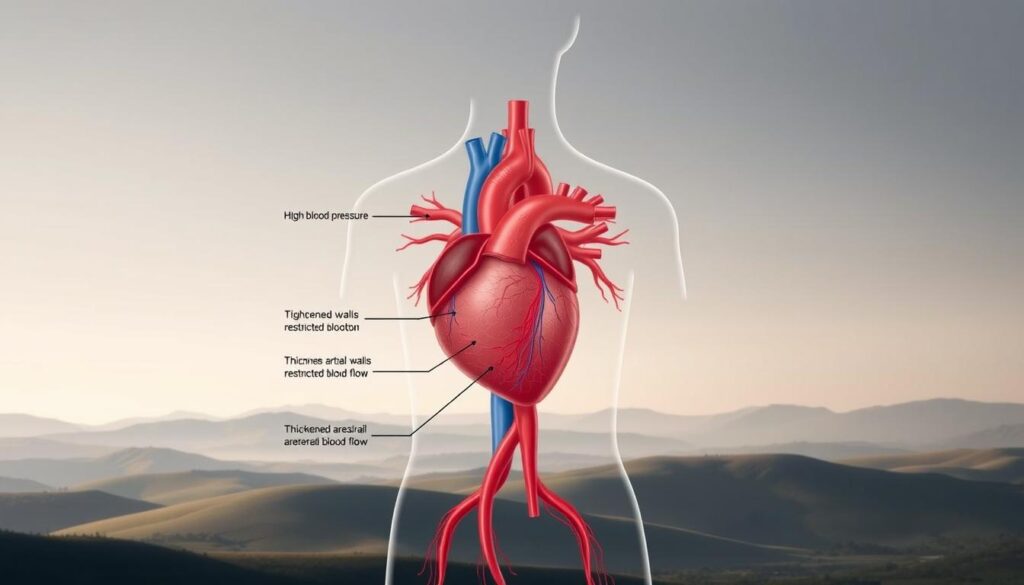
Definition and risks of hypertension
Having high blood pressure for a long time increases the risk of serious problems, such as heart attacks, strokes, kidney disease, vision problems, and difficulty having erections. People with hypertension may experience more complications if they don't manage their risks and follow their doctor's instructions.
Changing your lifestyle and sometimes taking medication are necessary. Early detection can significantly reduce the risk of high blood pressure problems.
How tea compounds act on blood pressure (vasodilation, diuretics, antioxidants)
Teas contain beneficial ingredients like polyphenols, flavonoids, and anthocyanins, as well as gingerol, curcumin, and allicin. They help relax arteries and reduce blood resistance as it passes through them.
Some herbs help you eliminate more water and salt, reducing blood volume. Others have antioxidant and anti-inflammatory properties. They improve artery function and reduce stress on artery walls.
Teas like hibiscus, horsetail, olive leaf, ginger, turmeric, and garlic can help lower blood pressure. But they need to be consumed regularly and be part of a healthy diet.
Limitations of teas: complementary, not a substitute for medical treatment
Teas are a supplement; they can't replace medication. Everyone's reaction is different. And the effect on blood pressure is lessened without changing your lifestyle.
- Drug interactions: some teas affect medications such as anticoagulants, blood pressure medications, diabetes medications, and diuretics.
- Contraindications: People who are pregnant, breastfeeding, have kidney problems or gallstones should avoid certain herbs.
- Consultation required: Talk to your cardiologist or nutritionist before drinking teas regularly.
Combining knowledge about teas and blood pressure with medical guidance provides greater safety and better results.
Receita de Chá para Pressão Alta
Controlling high blood pressure is possible with a combination of herbs and medical guidance. See the ingredients, how to prepare them, and tips for adding them to your diet.
Suggested main ingredients
- 1 tablespoon hibiscus (dark calyxes rich in anthocyanins)
- 1 teaspoon chopped olive leaves (oleuropein)
- 1 thin slice of ginger (2–3 cm) for gingerol
- 1/2 teaspoon turmeric powder (curcumin)
- Optional: 1 tablespoon lemongrass for diuretic/calming effect
- Optional: 1 teaspoon chamomile flowers for relaxation
Step by step preparation method
- Boil 1 liter of water.
- Turn off the heat and add the dry ingredients and the ginger slice.
- Cover the pot and let it steep for 8–10 minutes.
- Strain before serving. To garlic water: crush 1 clove and leave it in 200–250 ml of water for 6–8 hours.
- Store in a jar in the refrigerator and consume throughout the day.
Recommended dose and frequency of consumption
Keep in mind the plant's limits. For hibiscus, take 1 to 2 cups per day. Do not exceed 6 g per day.
Olive leaf tea should be limited to 200 ml/day for a maximum of 4 weeks. Ginger and turmeric are allowed up to 2–3 cups daily. Horsetail should be used for short periods, 1–2 cups/day for up to 7 days. Always follow medical advice.
Suggestions to combine with diet and healthy habits
- Use teas alongside a diet with less sodium and more potassium and fiber.
- Add fruits, vegetables, whole grains, and coconut water for more electrolytes.
- Exercise regularly, maintain a healthy weight, and avoid alcohol and tobacco.
- Explore this hypertension fitness guide, try variations, and monitor your blood pressure.
When trying new tea recipes, note the effects and talk to your cardiologist. The ideal dosage varies from person to person. Tea and a balanced diet are more beneficial when used carefully.
Hibiscus tea: preparation, benefits and precautions
Hibiscus is a tea that has been extensively researched for its potential to help control blood pressure. Its dark calyxes are rich in anthocyanins and flavonoids. These components are antioxidants, aid in vasodilation, and have a diuretic effect. Because of these properties, many experts recommend hibiscus tea as a supplement to high blood pressure treatment.
Main properties
- Anthocyanins and flavonoids: combat oxidative stress and improve vascular health.
- Moderate diuretic effect: helps lower blood pressure.
- Vasodilation: causes the walls of blood vessels to relax.
Preparation method and dosage
- Add 1–2 g of dried calyces to 150–200 ml of hot water.
- Let it sit for 5–10 minutes with the container covered, then strain.
- Another way: use one tablespoon of dried flowers for 400 ml of water.
- Drink 1–2 cups a day, keeping an 8-hour gap between them.
Do not exceed 6g of tea per day. Follow dosage recommendations from safe sources. To avoid risks, seek professional advice when necessary.
Precautions and interactions
- Tea may increase the effect of high blood pressure medications. Those taking these medications should monitor their blood pressure if they start drinking tea.
- There are cases of interactions with diabetes medications. Tell your doctor about using tea.
- Do not use without medical advice if you are pregnant, breastfeeding, a child, or have liver or kidney problems.
Studies show that hibiscus tea can be beneficial, but it should not replace medical treatment. People on medication should talk to their doctor before using the tea regularly.
Olive leaf tea: how to prepare and its effects on blood pressure
Olive leaves promote heart health. Their nutrients can regulate blood pressure. Here you'll find tips on how to use olive leaf tea for blood pressure.
Active compounds and mechanisms of action
The main ingredient of the leaves is oleuropeinIt combats inflammation, acts as an antioxidant, and relaxes blood vessels. There are also other components that aid in mild diuresis and vascular health. They all work together to improve circulation and control blood pressure.
Recipe and recommended quantity
- To make tea: use 1–2 tablespoons of leaves in 500 ml of hot water.
- Let it rest for 5 to 10 minutes before straining. For a smaller dose, use 1 dessert spoon in 100 ml of water.
- It is safe to drink up to 200 ml per day for up to 4 weeks unless otherwise advised by a professional.
- For those who prefer, there are capsules with a dose of 500 mg to take twice a day, after meals, under medical supervision.
Contraindications and precautions
Do not use olive leaf tea if you are pregnant or breastfeeding. Children should only consume it with the approval of a pediatrician.
If you use diuretics or have kidney problems, talk to your doctor first. This is important to avoid imbalances and changes in fluid elimination.
It's essential to record how your blood pressure reacts to the tea and inform your cardiologist. Good communication is key to safely combining herbal and conventional treatments.
Garlic tea: preparation, evidence and precautions
Garlic is important for heart health. Studies show that it helps circulation and can lower blood pressure. It's essential to understand its effects, preparation methods, and risks before using it.
Allicin and its action on the body
Allicin provides benefits such as improving circulation, protecting cells, and reducing inflammation. It appears when crushing or cutting garlic. Allicin increases the production of a substance that improves blood flow, helping to control blood pressure.
Simple ways to prepare
There are easy methods to do this: garlic water and garlic tea.
- Garlic water: Crush a clove of garlic in 100 ml of water. Let it sit for 6–8 hours. Take on an empty stomach or mix with more water throughout the day.
- Garlic tea: Boil a cup of water and turn off the heat. Add a crushed garlic clove. After 5 minutes, strain and drink a cup daily.
One alternative is to store minced garlic in olive oil and use it as a seasoning. This preserves the garlic's benefits.
Risks and interactions to consider
It's important to be careful when mixing garlic with certain medications, such as blood thinners. Garlic can increase the risk of bleeding in these situations.
Some studies suggest that garlic can significantly lower blood pressure when used with hypertension medications. Those with stomach problems or a bleeding tendency should exercise caution and seek medical advice.
Who should be cautious
- Pregnant or breastfeeding women should talk to their doctor before use.
- Not recommended for children under two years of age.
- People with low blood pressure or using multiple blood pressure medications should be careful.
When trying garlic water or tea, monitor your blood pressure and inform your doctor of any changes. Using it responsibly and following professional advice minimizes risks and maximizes benefits.
Ginger and turmeric tea: anti-inflammatory and vasodilatory action
Ginger and turmeric are great for blood vessel health. They contain substances that help dilate blood vessels and reduce inflammation.
Turmeric contains curcumin, a powerful antioxidant. This improves blood vessel function. These ingredients, combined, improve heart health.
Gingerol and curcumin: cardiovascular benefits
Gingerol and curcumin reduce inflammation and protect arteries. Research suggests they're good for the heart and circulation.
Ginger tea works quickly, helping to dilate blood vessels. Turmeric tea, on the other hand, has longer-lasting effects on vascular health.
Simple recipes for every tea and safe frequency
- Ginger tea: Grate 2–3 cm of fresh ginger into 200 ml of water, boil for 10 minutes, and strain. Drink up to 3 cups daily.
- Ginger alternative: 1 tablespoon of powdered ginger in 1 liter of water, prepared and consumed in small doses throughout the day.
- Turmeric tea: 1 teaspoon of turmeric in 150 ml of boiling water, steep for 10–15 minutes. Consume up to 3 cups per day.
To better absorb the curcumin, add black pepper or a little oil, such as olive oil. You can sweeten with lemon or honey, but don't overdo it with sugar.
Be careful with anticoagulants, gallstones and pregnancy
Be careful when combining ginger and turmeric with blood thinners, as it can increase the risk of bleeding. It's best to talk to a doctor first.
Anyone who has had gallstones or bile duct problems should avoid turmeric. Pregnant and breastfeeding women should consult a doctor before drinking these teas.
Children under six years of age should not consume ginger regularly. Remember to monitor your blood pressure when trying these recipes. If you experience unusual bleeding, inform your doctor.
Horsetail and lemongrass tea: diuretic effect and rapid reduction of blood pressure
Horsetail and lemongrass tea help lower blood pressure naturally. They are good diuretics, helping the body eliminate more fluids and sodium. This reduces blood volume in the body and, as a result, lowers blood pressure.
How natural diuretics reduce blood pressure
Diuretics cause you to lose more water and electrolytes through your urine. This relieves stress on your heart and arteries. Horsetail also contains potassium, which helps relax blood vessels. Understanding this shows how these teas are useful for safely controlling blood pressure.
Practical preparation method
- Horsetail tea: Combine 2–3 tablespoons of dried leaves in 500 ml of boiling water. Infuse for 5–10 minutes and strain. It is recommended to drink 2–3 cups daily for a maximum of 7 consecutive days.
- Lemongrass: Place 1 tablespoon of fresh leaves in 1 cup of hot water. Steep for 5 minutes. You can drink up to 4 cups a day.
Limitations and responsible use
Teas are a temporary aid and do not replace medical treatment. Horsetail can lead to mineral loss and electrolyte imbalance if used for a long time. Therefore, it's best to use it for short periods and check your blood pressure and blood tests frequently.
Important contraindications
- Do not use during pregnancy and lactation.
- People with kidney or heart problems should avoid without talking to a doctor.
- Children and those with low blood pressure should also be careful.
- Consult a cardiologist first if you are already using diuretics or medications that affect electrolytes.
Ultimately, horsetail and lemongrass tea can lower blood pressure if used correctly. Remember to talk to your doctor before starting, especially if you're undergoing treatment or have chronic conditions.
Calming teas (chamomile, passionflower, lavender): reduce stress that raises blood pressure
Stress and anxiety increase our adrenaline and noradrenaline levels. This can cause high blood pressure spikes. Using breathing techniques, meditation, and drinking calming teas can help manage this problem. Adding these infusions to your routine can prevent sudden increases in blood pressure.
Relationship between anxiety and blood pressure spikes
When the nervous system becomes overactive, our heart beats faster and our veins become constricted. This combination, especially during severe anxiety, can lead to dangerous blood pressure spikes. Therefore, managing stress directly helps maintain blood pressure.
Simple recipes and ideal moments
- Chamomile: Steep 0,5 to 4 g of flowers in 150 ml of hot water for 4–5 minutes. Drink up to 4 cups daily, best at night or before meditation. Besides being relaxing, chamomile has a small but positive effect on blood pressure.
- Passion fruit and lavender: Make a similar infusion, also for 4–5 minutes. Ideal for drinking at night, helping with sleep and reducing stress. The blend of passion fruit and lavender brings calm with its pleasant aroma.
- Routine: A cup before activities like deep breathing or yoga can improve relaxation and reduce blood pressure spikes.
Precautions and drug interactions
Calming teas can increase the effect of sedative medications. Anyone taking medications such as benzodiazepines or sleeping pills should speak to a doctor first. If you experience excessive drowsiness or difficulty with balance, it's a sign to reevaluate this combination.
Practical guidance
- Try starting with one cup a day and see how you feel after a few days.
- If you are taking medication for anxiety or sleep, consult a cardiologist or psychiatrist.
- When adding new infusions to your diet, keep an eye on your blood pressure to see the real effect.
Safe combinations and multifunctional recipes to include in your daily routine
Explore simple blends that enhance the positive effects without adding risks. They balance health benefits like vasodilation, diuresis, and calmness. This creates easy-to-use recipes for everyday use.
- Hibiscus + ginger: This combination helps lower blood pressure and has a slight diuretic effect. This is due to the substances present in hibiscus and ginger. This combination is common in many tea recipes for controlling high blood pressure.
- Olive oil + chamomile: this combination has a calming effect that's great for dealing with stress. oleuropein olive tree and chamomile work together in this.
- Hibiscus + lemongrass: this pair makes a tasty tea that helps with diuresis and is good without too much sugar.
Flavor adjustment without losing benefits
To make the tea taste better without compromising its properties, add a little lemon juice. Use coconut water to hydrate and increase potassium. Avoid salt and don't overdo the sugar. Honey is a more balanced sweetener.
How to introduce new combinations
- Start with one combination at a time. For example, try hibiscus and ginger teas for a week before trying another blend.
- Monitor your blood pressure at similar times. It's crucial to observe the effects of teas on blood pressure to see real results.
- If you experience dizziness, nausea, or signs of low blood pressure, stop using the mixtures. Don't mix too many blood-thinning ingredients without talking to a doctor.
Gradually adopting these blends helps make the habit of drinking tea to control high blood pressure safer and more effective in daily life.
When to avoid teas and warning signs to see a doctor
Teas can be beneficial, but caution is needed. Note any unusual reactions after drinking tea. Those with chronic illnesses or taking medication should think carefully before drinking tea regularly.
- Physical signs that should not be ignored: severe dizziness, fainting, extreme weakness, palpitations, sweating, and confusion. These symptoms can be serious or indicate that the tea has affected the medicine.
- Easy bleeding or bruising: Some teas increase the effect of medicines that prevent clotting, causing more bleeding.
- Shortness of breath or chest pain: In these cases, stop drinking the tea and seek help.
Some signs require immediate medical attention. If you experience high blood pressure, chest pain, difficulty breathing, or problems such as sudden weakness, it's crucial to seek help. If in doubt, see a doctor immediately.
- Check your blood pressure before and after trying new teas.
- Write down any symptoms and when you drank the tea.
- If you notice any strange changes, talk to your cardiologist.
Don't adjust your medications without talking to your doctor. Maintaining your medication is vital. Teas are only supplements. Your doctor must approve any changes after evaluating you.
Talk to experts about possible interactions, especially if you're taking medications for blood clotting, diabetes, or high blood pressure. Knowing when not to drink teas and recognizing warning signs is crucial to avoiding problems.
Other natural measures that enhance the effect of teas
Teas can help control blood pressure. Their effect is stronger with changes in your daily routine. Here are simple tips to improve results and take care of your heart.
- Reducing sodium and increasing potassium is very effective. Avoid ultra-processed products and ready-made seasonings.
- Eat fruits like bananas, avocados, and oranges, which are rich in potassium and fiber.
- Oats and bran are great allies. They contain avenanthramides, which help relax blood vessels.
- Try using juices and smoothies with celery, banana, and avocado to diversify your nutrients.
Physical activity and weight control
- Doing moderate aerobic exercise regularly reduces the risk of heart disease.
- Losing weight, if necessary, helps reduce blood pressure. Avoid alcohol and smoking.
- Deep breathing techniques can quickly lower blood pressure. Take a deep breath, hold it for 2 seconds, and then release slowly.
- Exercise should be safe and, if possible, under the guidance of a professional.
Sleep and daily habits
- Getting enough sleep is essential. Lack of sleep can increase blood pressure.
- It's important to have regular bedtimes and wake-up times.
- Reducing caffeine consumption in the evening can help improve sleep.
Monitoring and communication with professionals
- Checking your blood pressure at home allows you to monitor and react to changes.
- Write down your measurements and share them with your doctor or nutritionist.
- Always adjust the use of teas and medicines under medical guidance.
- Seek professional help if problems persist or new symptoms appear.
Conclusion
This text shows that hibiscus, olive leaves, garlic, ginger, turmeric, horsetail, lemongrass, and relaxing teas are good for high blood pressure. They help dilate blood vessels and have diuretic and antioxidant effects. Using them in a balanced way contributes to a healthy lifestyle.
Teas should be used alongside medical treatment, never as a substitute. It's important to be cautious about possible side effects when mixed with other medications. Pregnant and breastfeeding women and people with kidney or liver disease should avoid using them. Always monitor your blood pressure to prevent problems.
When trying new teas, check your blood pressure frequently and talk to your doctor and nutritionist. Combining these teas with less salt, more potassium, exercise, and good sleep can be very helpful. Always follow these practices carefully and under the guidance of professionals to ensure safety and effectiveness.
FAQ
What is high blood pressure and what are the main health risks?
How can teas help control blood pressure?
Do teas replace medical treatment for hypertension?
What are the main ingredients in teas recommended for high blood pressure?
How to prepare the recommended balanced recipe?
What is the recommended dose and safe frequency for these teas?
What are the specific benefits and precautions of hibiscus tea?
How does olive leaf work and how to prepare the tea?
Does garlic tea work and how to prepare it safely?
What are the effects of ginger and turmeric and how to use them?
How do horsetail and lemongrass help reduce blood pressure?
Which calming teas help reduce blood pressure spikes caused by stress?
What tea combinations are safe and effective?
How to introduce teas into your routine without risks?
What are the warning signs and when to seek medical attention?
What are the main contraindications to the use of hypotensive teas?
What lifestyle changes enhance the effects of teas?
How to adjust the flavor of teas without compromising the benefits?
Do I need to measure blood pressure when testing teas? How do I record results?
Content created with Artificial Intelligence Assistance