
Have you ever found yourself admiring a plant but not knowing its name? If so, you’re not alone! With the popularity of plant identification apps, this task has become much easier. But how do you choose the best one among so many options? In this article, we’ll explore the main apps available, such as Seek, PlantNet, and iNaturalist, and show you their unique features. We’ll also give you valuable tips to help you find the app that perfectly meets your needs! Get ready to discover a world of plants with technology on your side!
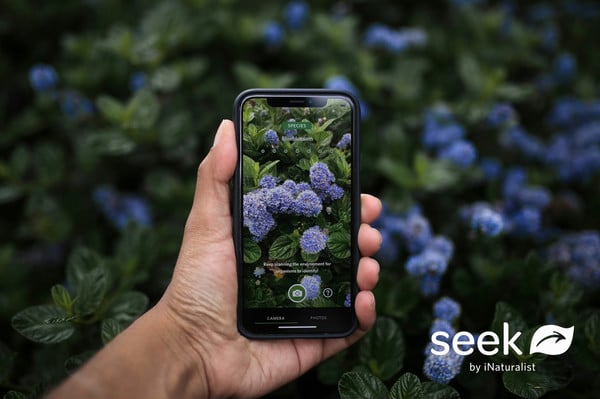
Seek App
What are the best apps for plant identification?
When choosing a plant identification app, it is essential to consider the available options and their features. Let’s compare them!
Adverts
O Seek is a popular choice, available for iOS and Android. It not only identifies plants, but also animals, using your phone’s camera. What’s more fun? You can earn badges for discovering new species, making the experience interactive.
O PlantNet stands out for focusing on non-ornamental plants. With a vast database, it makes identification easier through photos and offers complete information about the species. It is a great choice if you are more interested in plants than ornamental flowers. You can download the app here.
For those who love community and collaboration, the iNaturalist It’s perfect. With over 400,000 members, you can join forces with other nature enthusiasts. Your observations not only help you, but also contribute to scientific research. This app is a way to get involved in the scientific community!
Another interesting option is the LeafSnap, which promises to identify 90% of global plant and tree species. It provides insights into local fauna, a good choice if you're traveling.
And if you are looking for more detailed care, the NatureID shares information about water and light requirements, and even care reminders for your plants. And for those concerned about toxicity, the Flora Incognita is an excellent tool to learn more about plant conservation conditions in Europe.
To help you make a decision, think about your needs. If you need quick, interactive identification, Seek might be the best option. If you’re focused on learning more about non-ornamental plants, try PlantNet. Evaluate what each app offers and choose the one that best fits your lifestyle and interests!

iNaturalist
How do plant identification apps work?
Plant identification apps leverage advanced technologies to transform photos into valuable information about a variety of species. At the core of this innovation are image recognition algorithms that compare your photos to extensive plant databases. This is what enables effective species identification.
What technologies are used for plant recognition?
These applications typically use technologies like machine learning and computer vision. How does it work? Imagine you take a picture of a plant. The application processes that image, identifies patterns, and then checks those patterns against its database. The result is a quick and usually accurate identification, depending on the technology used. Applications like PlantNet and iNaturalist have stood out for their collaborative databases, where users help feed the information with their observations.
How does artificial intelligence improve identification accuracy?
Artificial intelligence, especially through deep learning, refines identification accuracy by continually learning from new images and data. For example, if a plant is frequently misidentified, developers can adjust the algorithm based on corrections made by users. This constant evolution results in an identification tool that users trust.
What data can the user obtain from a photo of the plant?
When photographing a plant, users often receive information such as the scientific name, care tips, and even interesting facts about the species. Some apps, such as NatureID, go even further and offer suggestions for watering and fertilizing, as well as reminders so that users don't forget to take care of their plants. For details on how it works and terms of use, you can check out more at our terms It is Privacy Policy.
What are the most important features in plant applications?
When choosing a plant identification app, it is essential to consider a few things: plant application features that can make all the difference in your experience. One of the most important features is the presence of care reminders. Many apps, such as NatureID, offer options for you to schedule alerts about when to water, fertilize, or prune your plants. This ensures that you don’t forget any important details!
Additionally, the variety of detailed information each app provides about your plants is crucial. Information such as light requirements, water requirements, and even toxicity can be found on apps like LeafSnap and Flora Incognita. This information helps ensure that your plants thrive.
The usability and interface of apps cannot be ignored either. Good design can make navigation more enjoyable and intuitive. Apps like Seek have user-friendly interfaces that make it easy to identify instantly through the phone's camera, while more complex apps may require a little more learning.
User interaction with the app is another factor that greatly influences the effectiveness of identification. Apps like iNaturalist allow users to contribute data, improving the accuracy of the database. This collaboration also helps create a passionate botanical community where users can exchange tips and experiences. In contrast, apps that don’t encourage interaction can result in a less engaging experience.
So, when choosing a plant identification app, consider its essential functionalities, ease of use, and how well it connects with users.
What reviews do users give about these apps?
User experiences are crucial when choosing a plant identification app. Positive reviews often highlight ease of use and accuracy in identifying plants. For example, apps like Seek allow users to interact with their discoveries, which makes the experience even more fun and educational. According to user reviews, many value apps that not only identify plants but also provide useful information about care, such as the reminders provided by NatureID.
What feedback do experts give on the best options?
Experts stress the importance of using apps that have effective technical support. The active community on platforms like iNaturalist is often cited as a positive point, as users can share experiences and improve the information available about species. Collaboration between users and experts is one of the keys to ensuring a robust database.
What are common criticisms found in reviews?
Even the best apps have their critics. Many users mention issues like recognition failures for certain species or the lack of high-quality photos. For example, PlantNet is excellent, but some reviews indicate that it may be less effective at recognizing ornamental plants than others.
How do reviews influence user choice?
Reviews become a valuable guide, helping new users decide which app best suits their needs. It is common for users to look not only for technical features, but also for the overall experience offered. The transparency and accessibility of reviews on platforms like Apple Store directly influence the download and use of apps. By comparing opinions, you can identify trends and know exactly what users are really looking for in an identification app.
What are the benefits of using plant identification apps?
Plant identification apps offer a number of benefits beyond simple identification. First, they make it easier to learn about botany and gardening. With just a photo, you can learn not only the name of the plant, but also its care needs, such as light, water, and fertilizer. This makes the process of caring for plants more accessible and educational, especially for beginners.
Additionally, using these apps has a positive environmental impact. By helping people identify and properly care for their plants, they promote sustainable practices that can benefit the ecosystem. For example, apps that provide information about native plants can encourage the cultivation of local species, which require fewer resources and support biodiversity.
One example of success comes from users who have shared their rewarding experiences. Many report revitalizing their plants with the tips they have learned through these apps. One user mentions how NatureID helped him identify a dying plant and, by following the recommended care, was able to reverse the situation.
Another interesting aspect is that these apps often involve communities. For example, iNaturalist connects users with scientists and naturalists, allowing everyone to contribute to a robust scientific database. This way, you not only learn, but also participate in a larger environmental conservation effort.
If you want to learn more about how these apps are helping botany enthusiasts, check out this link about Hampa!
Conclusion
Plant identification apps are known for making life easier for gardeners and botany enthusiasts. In this article, we explore the best options available for iOS and Android, such as Seek, PlantNet, and iNaturalist, analyzing their technologies and features. We also discuss user reviews and how they impact the choice of the right app. Ultimately, these resources not only increase plant knowledge but also promote sustainable practices. By choosing the right app, you can significantly transform your interaction with nature.
FAQ
Frequently Asked Questions (FAQ)
1. What are the best apps for identifying plants?
The best apps include Seek, PlantNet, iNaturalist, LeafSnap, NatureID, and Flora Incognita. Each offers unique features, such as interactive identification, detailed information, and care reminders.
2. How do plant identification apps work?
The apps use advanced technologies such as machine learning and computer vision to analyze photos and identify plants. They compare the images taken with a vast database of plants, ensuring effective identification.
3. What features are important in a plant identification app?
Essential features include care reminders, detailed information about plant needs, and a user-friendly interface. Community interaction, like on iNaturalist, is also a valuable differentiator.
4. How do user reviews influence the choice of an app?
User reviews provide insights into the ease of use and accuracy of apps. They help new users identify which app best suits their needs and expectations.
5. What are the benefits of using plant identification apps?
In addition to facilitating learning about botany and gardening, these apps promote sustainable practices and connect users to scientific communities. With just one photo, you can improve the care of your plants and even contribute to environmental preservation.
Content created with Artificial Intelligence Assistance