
Are you a plant lover, but pests and diseases are driving you crazy? Don’t worry! In this post, we’ll explore the best apps for identifying pests and diseases in your crops. From ADAMA Alvo, with its impressive features, to Agrio, which offers innovative diagnostics, discover how technology can be your ally in gardening. Ready to find the best solutions and keep your garden healthy? Let’s go!
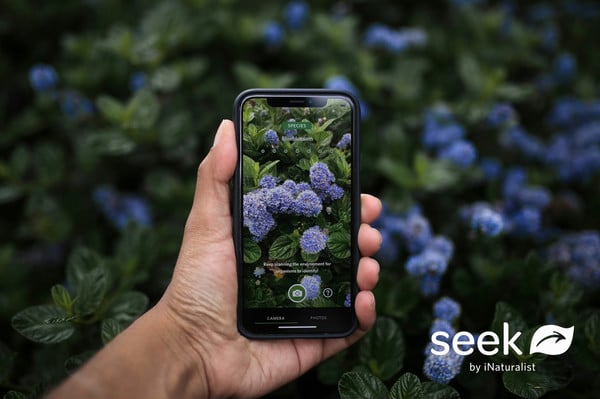
Seek App
What are the main applications for identifying pests and diseases in plants?
One of the most popular apps for pest identification is ADAMA Target. With robust features, it stands out for its efficiency in detecting pests, allowing farmers to capture images and receive detailed analysis of problems in their crops. This not only facilitates identification, but also helps prevent significant production losses. See more about ADAMA Target here.
Adverts
Another innovative application is the Agri, which uses advanced technology to diagnose plant diseases. Agrio’s unique feature is its ability to perform real-time analysis and provide instant alerts about potential infections. This allows users to act quickly, minimizing damage and saving resources.

iNaturalist
When comparing different apps available on the market, it is crucial to consider their features, such as biometric analysis and georeferencing. A good app should not only identify pests but also keep a history of crop conditions, helping with long-term decision-making.
Furthermore, integration with agricultural data makes all the difference. Applications that offer continuous monitoring capabilities and use artificial intelligence to optimize diagnostics are especially valuable. Choosing the ideal application should take into account the specific needs of the farmer, such as the crop grown and the planting region.
In summary, applications such as ADAMA Alvo and Agrio represent significant advances in digital agriculture, providing effective tools for pest and disease management, enabling farmers to work with greater confidence and efficiency.
How do apps help in managing agricultural pests and diseases?
Applications have become indispensable allies in agricultural pest and disease management, allowing farmers to monitor and troubleshoot problems more efficiently. This technology brings the concept of digital pest control, which facilitates the early identification of infestations and the implementation of appropriate management strategies.
What are the benefits of using technology for pest control? Monitoring app contributes to a significant reduction in pesticide use, saving resources and minimizing environmental impacts. Through pest diagnosis through imaging, farmers can capture photos of pests and take preventive measures, protecting crop productivity.
How does data analysis work in applications? These applications use algorithms to process information collected in real time. Through biometric analysis and vegetation indexes, it is possible to identify areas with irregular growth, detecting early signs of problems. In addition, instant alert features help identify and quickly intervene in risk situations.
What features should be looked for in a pest control application? A good app should have real-time alert capabilities, allow biometric analysis, and integrate comprehensive agricultural data. This provides more accurate decision support, increasing the effectiveness of pest management. For a practical example, it is worth checking out the capabilities of Agri, which offers innovative diagnostics and sophisticated resources for the modern farmer.
The integration of these technological solutions transforms agriculture, making it a more efficient and sustainable activity. The adoption of apps for pest management is an essential step in the modernization of the agricultural sector, increasing productivity and contributing to more responsible production.
How do apps use artificial intelligence to identify diseases?
Applications that use artificial intelligence (AI) to identify plant diseases do so through automated disease identification. They analyze images and data collected in the field, using pattern recognition algorithms that compare the appearance of leaves and other parts of the plant against vast databases of known diseases.
What methods does AI use to recognize diseases? The main technique is machine learning, where the AI is trained with images of different diseases and pests. This allows the application to learn to differentiate between healthy plants and those showing symptoms of infestation.
Why is AI effective in early pest detection? Rapid data analysis makes it easier to identify problems before they cause significant damage. By capturing and analyzing photos of infestations in real time, applications offer the chance for immediate intervention, which can save precious crops.
But what are the limitations of AI-based identification apps? One of the main challenges is that symptoms of different diseases often overlap. This can lead to misdiagnoses. Furthermore, the efficiency of the technology depends on continuous learning. The more data apps collect, the better they become at accurately identifying diseases.
Nowadays, the integration of digital platforms, such as those described in Climate Field View blog, highlights the importance of networks of farmers that use these technological tools, easing the monitoring and management burden in modern agriculture.
What are the economic impacts of using agricultural applications?
The use of agricultural apps is changing the way farmers deal with pests and diseases, resulting in significant reductions in agricultural losses. The data generated by these apps enables a efficient pest control, which can be vital to crop health. Integrating digital platforms enables farmers to monitor infestations more efficiently, using devices such as tablets to quickly identify pest outbreaks.
How can apps reduce operational costs in crops?
Agricultural apps help minimize operational costs by providing accurate analysis of crop conditions. This means that pest control can be done in a more targeted manner. For example, by using these apps, farmers can avoid unnecessary chemical application in unaffected areas, thus saving on input costs.
How do they help with planning and using inputs?
These tools also allow for more efficient planning and rational use of inputs, as they provide data on the health status of crops. Therefore, the application can issue alerts that will provide the farmer with information, for example, on the need to apply pesticides. This, in turn, ensures that inputs are used strategically, contributing to the agricultural economy via apps.
What are the advantages of a digital approach in agricultural management?
The digital approach brings a number of advantages, such as reducing the time needed for decision-making and improving data collection. With this, farmers can take advantage of technologies such as satellite imagery and artificial intelligence, which help identify problem areas quickly, promoting an agile response to potential infestations. For more information, visit ADAMA Target and see how these technologies can boost your production!
What are the best practices when selecting an app for pest and disease identification?
Selecting an app to identify pests and diseases is a task that requires attention to some important factors. Among them, functionality is essential. Look for apps that offer features such as capturing images of pests, biometric analysis, and real-time alerts about possible infestations. These features are essential so that you can act quickly when you notice a problem with your plants.
Checking compatibility and user reception is also essential. Before committing to an app, take a look at the reviews on the app store. This can reveal whether the app is easy to use and whether it actually works as promised. Good ratings are always a positive sign.
Support and community also play a crucial role. What do you do when you encounter a problem or have a question about using the app? Having access to an efficient support team can make all the difference. In addition, an active community can offer valuable experiences and tips. Analyzing comments and feedback can guide you in making the right choice.
Finally, it’s important to educate yourself on the technological assistance available. Apps that offer tutorials or online support make the experience much smoother. And if you’re interested in learning more about how millennials are investing time in gardening, you can check out how technology is changing the way we garden and farm today.
These practices ensure that you choose an app that not only helps you identify pests and diseases, but also becomes an effective support tool for your crops.
Conclusion
Pest and disease detection apps are transforming agriculture by offering practical and efficient solutions for diagnosis and control. In this post, we explore the main tools, such as ADAMA Alvo and Agrio, their functionalities and how artificial intelligence contributes to early identification of problems. In addition, we discuss the positive economic impacts and best practices when selecting an app. By adopting these technologies, farmers can not only optimize their management but also protect their crops more effectively and sustainably.
FAQ
Frequently Asked Questions (FAQ)
1. What are the best apps for identifying pests on plants?
The ADAMA Alvo and Agrio apps are extremely popular and efficient. ADAMA Alvo allows you to capture images and obtain detailed analysis, while Agrio offers real-time diagnostics with instant alerts.
2. How do apps help in managing agricultural pests and diseases?
Apps are allies in the early identification of problems, facilitating pest control with digital monitoring. They help in decision-making and can reduce the use of pesticides, saving resources and minimizing environmental impacts.
3. What to look for in a good pest control app?
Look for apps with features like real-time alerts, biometric analysis, and agricultural data integration. This ensures accurate information and effective support for pest management.
4. How is artificial intelligence used in these applications?
Artificial intelligence analyzes images and data to identify plant diseases. It learns to differentiate between healthy symptoms and infestations, enabling rapid interventions to protect crops.
5. What are the economic impacts of using agricultural applications?
These applications reduce costs by providing accurate analysis of crops, avoiding unnecessary application of inputs. This makes agriculture more efficient and sustainable, increasing productivity and profitability.
Content created with Artificial Intelligence Assistance