
Want to know more about plants?
Have you ever been intrigued by an unfamiliar plant and wanted to know its name? Free plant identification apps are the perfect solution! In this article, we’ll explore the best apps available, their main features, and how each one stands out. Let’s discover together how technology makes this task easy and fun, ideal for nature lovers, gardeners, and curious people in general! Get ready to turn your nature walks into educational adventures!
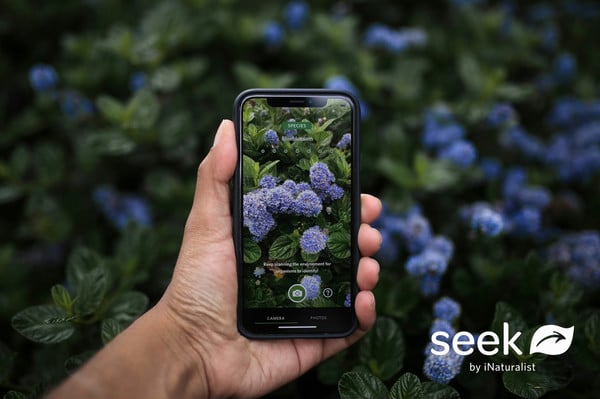
Seek App
What are the best free apps for identifying plants?
There are several notable free apps for identifying plants, but three stand out: iNaturalist, PictureThis It is PlantNet.
iNaturalist is a very rich platform, ideal for nature lovers. Developed by National Geographic and the California Academy of Sciences, it uses artificial intelligence to provide an initial identification. It then allows the community to validate this identification. If you are a biodiversity enthusiast, this is the place for you!
PictureThis, on the other hand, is perfect for those looking for a quick fix. It focuses on houseplants and gardens, providing personalized care and toxicity information. Plus, it even reminds you to water your plants! These features make it a valuable companion for gardeners and plant lovers.
Last but not least, we have PlantNet, which is all about wild plants. This app is great for anyone who wants to explore natural flora. With an extensive database, it encourages users to submit photos to help with citizen science projects. It’s a fun and educational way to learn about botany!
Each app caters to different interests. If you’re looking to explore nature in general, iNaturalist is the one for you. For houseplant care, choose PictureThis. And if you’re more into wild flora, PlantNet is the best option.

iNaturalist
How do apps use technology to identify plants?
Plant identification apps are incredible allies for nature lovers and anyone curious about the green world. The technology behind these tools mainly involves photography and artificial intelligence. Plant recognition via photo is done through advanced algorithms that analyze the characteristics of leaves, flowers and other visual elements to compare with an extensive database.
Artificial intelligence plays a key role in improving the accuracy of identifications. By continuously learning from user interactions and collected data, the system becomes more effective at distinguishing between similar species. This means that with each new photo uploaded, the app becomes smarter. For example, apps like PlantNet encourage users to submit photos, which helps build a collaborative network that further refines their capabilities.
However, even with all this technology, there are challenges. The quality of the photo and the angle from which the plant is captured can influence accuracy. Sometimes, identification can fail, especially if the plant is little known or not well represented in the database. In addition, the genetic diversity of a species can generate variations that make correct identification difficult. These challenges are common, but they should not discourage users. With a little practice and patience, the chances of success increase.
The use of these tools not only facilitates species recognition, but also promotes education about botany and nature conservation, making the experience even more enriching.
What are the advantages of using apps to identify plants?
Plant identification apps have several practical advantages. Digital identification helps you recognize a plant in a matter of seconds, avoiding unnecessary doubts while hiking or gardening. Imagine being in a park and finding a beautiful flower that you’ve never seen before — an app can give you the name and interesting information about it in the palm of your hand!
Additionally, many of these apps allow you to contribute to their databases. By sharing a photo or ID, you not only enrich the available content, but also participate in citizen science projects. For example, by using iNaturalist, you help monitor biodiversity and can connect with other nature lovers.
The educational and environmental awareness benefits cannot be underestimated. Apps like PlantNet are designed specifically for beginners in the world of botany. They provide information about plant characteristics, which triggers curiosity and a desire to learn more about ecology and conservation. By familiarizing yourself with different species, you become a more conscious advocate for the environment.
And the best part? All of these resources are free! This means you can learn plant names and get practical tips without spending a dime. These apps not only make learning fun, but they also help you cultivate a true passion for nature. Ready to explore? Choose the app that best suits your needs and start your green adventure!
How to choose the best plant identification app for your needs?
When choosing a plant identification app, there are a few key factors to consider. First, think about your level of experience. Are you a curious gardener or a budding botanist? Apps like iNaturalist are perfect for those who want to explore nature and connect with a community, while PictureThis is more geared toward houseplant care.
Additionally, it’s crucial to look at user reviews and feedback. Ask yourself: Do users find the identification accurate? Does the app provide useful information about care? Reading reviews can help you narrow down options and ensure you choose an app that meets your expectations.
Don’t forget to consider the features that are essential for your profile. For gardeners, features like watering reminders and care tips, found on PictureThis, are essential. For those who want to delve deeper into botany, PlantNet offers a rich database and encourages users to contribute to citizen science projects. Ideally, the tool you choose will not only identify plants, but also improve your connection with them.
If you are in doubt, take a look at the website PlantNet and see how it can fit your needs. With all this in mind, you can be one step closer to choosing the perfect app to discover the wonderful world of plants!
What are the latest plant identification app releases and updates?
In recent months, several plant identification apps have received updates that increase their functionality and improve the user experience. For example, iNaturalist has now better integrated its identification tools, allowing users to collaborate even more on species identification. Now, you can not only identify plants, but also record your observations to help conserve biodiversity.
PictureThis, on the other hand, stood out with improvements to its interface and new features such as personalized reminders for essential plant care. This is a great help for those who may forget to water their plants or need tips on the toxicity of a certain species before purchasing one.
The star of the list is PlantNet, which, in addition to its vast database, now has a new educational feature. This update helps users learn more about botany through interactive quizzes and information about local ecosystems. This educational focus is especially rewarding for beginners who want to dive into the world of flora.
These apps, all available for free, have become increasingly popular among nature enthusiasts and gardeners. The community is growing and interacting, which makes these apps not just identification tools, but true companions for those who love exploring the green world around them. If you are curious to learn more, be sure to visit PlantNet to try these new things and delve deeper into your botanical adventures!
Conclusion
The best free plant identification apps offer an accessible and interactive way to explore the flora around us. This article reviews the most recommended options, highlighting their quirks and essential functions to facilitate recognition. We cover the technology that powers these apps and the advantages of using them, including their educational potential and the contribution of users to a collaborative database. With tips for choosing the right app, we hope to make plant identification an enjoyable and informative activity. We look forward to seeing how these tools continue to evolve!
FAQ
Frequently Asked Questions (FAQ)
1. What are the best free apps for identifying plants?
The best free apps for identifying plants include iNaturalist, PictureThis It is PlantNet. Each offers distinct features, such as collaborative identification, care for houseplants and exploration of wild flora.
2. How does the technology in these apps work to identify plants?
The apps use advanced photography algorithms and artificial intelligence. They analyze visual characteristics of plants and compare them to an extensive database. The artificial intelligence improves accuracy over time, making identifications more effective.
3. What are the advantages of using a plant identification app?
Using apps has several advantages, such as quick plant identification, contributing to citizen science and increasing knowledge about botany. In addition, they are free, making learning accessible and fun.
4. How do I choose the best plant identification app for me?
When choosing an app, consider your experience level, user feedback, and the features you need. For example, iNaturalist is great for exploration and community, while PictureThis offers care tips for houseplants.
5. What are the latest updates in plant identification apps?
Recently, iNaturalist has improved its collaborative tools, PictureThis has launched personalized care reminders, and PlantNet now has interactive quizzes for learning about botany. These updates further enrich the user experience.
Content created with Artificial Intelligence Assistance