Ads
Online dating safety starts with clear and practical choices. Adults using platforms like Tinder, Bumble, Hinge, OkCupid, and Match should protect personal data. Verifying identities helps reduce risks on these sites.
This guide gives you advice based on facts. It works whether you are new or have used apps for years.
Ads
Safe dating means guarding your account details and spotting fake profiles. You also need care when meeting people in person.
Protect your photos and metadata, watch out for scams, and know when to contact platform support or the police.
Security features vary by app, so check each app’s safety center and terms first. Risks include privacy breaches, identity theft, and financial fraud.
These dangers are real but can be managed with basic precautions.
This article covers profile security, safe messaging, photo privacy, identity checks, safe meetings, and spotting suspicious accounts.
Keep this checklist in mind: choose trusted apps, protect passwords, limit public details, verify matches, keep chats on the app, remove location from images, plan safe meetups, and report concerns quickly.
Key Takeaways
- Pick reputable apps and review their safety resources before signing up.
- Use strong passwords and enable two-factor authentication on dating accounts.
- Limit personal details and remove location metadata from photos.
- Keep conversations on the app until you verify a match’s identity.
- Plan public, well-lit first meetings and tell a friend your plans.
- Report, block, and preserve evidence if you encounter suspicious behavior.
Protecting Your Profile: Dating App Security and Profile Safety
Keeping your profile safe is important for secure dating and peace of mind.
This guide shows how to choose trustworthy platforms and lock down your accounts.
You will also learn how to limit public information and spot fake profiles. Use these tips to date safely online and still meet new people.
Choose reputable dating apps and platforms
- Look for apps with clear safety pages, active moderation, and verified badge options. Major providers like Tinder, Bumble, and Hinge offer these features.
- Check app-store ratings, recent news for breaches, and the platform’s help center before signing up.
- Pick services that make reporting and blocking easy and respond quickly to abuse reports.
Use strong, unique passwords and enable two-factor authentication
- Create passwords with 12 or more characters or use a passphrase. Mix letters, numbers, and symbols where allowed.
- Manage passwords with a tool like 1Password, LastPass, or Bitwarden to avoid reuse across sites.
- Enable two-factor authentication (2FA) when possible. Apps like Google Authenticator or Authy are safer than SMS.
Limit personal details in your public profile
- Don’t share exact home or work addresses, phone numbers, emails, children’s names, or exact birthdates.
- Use a general city location and keep job titles broad if you want more privacy.
- Avoid listing other social profiles or routines that make you easy to find offline.
Spot signs of fake profiles and report suspicious accounts
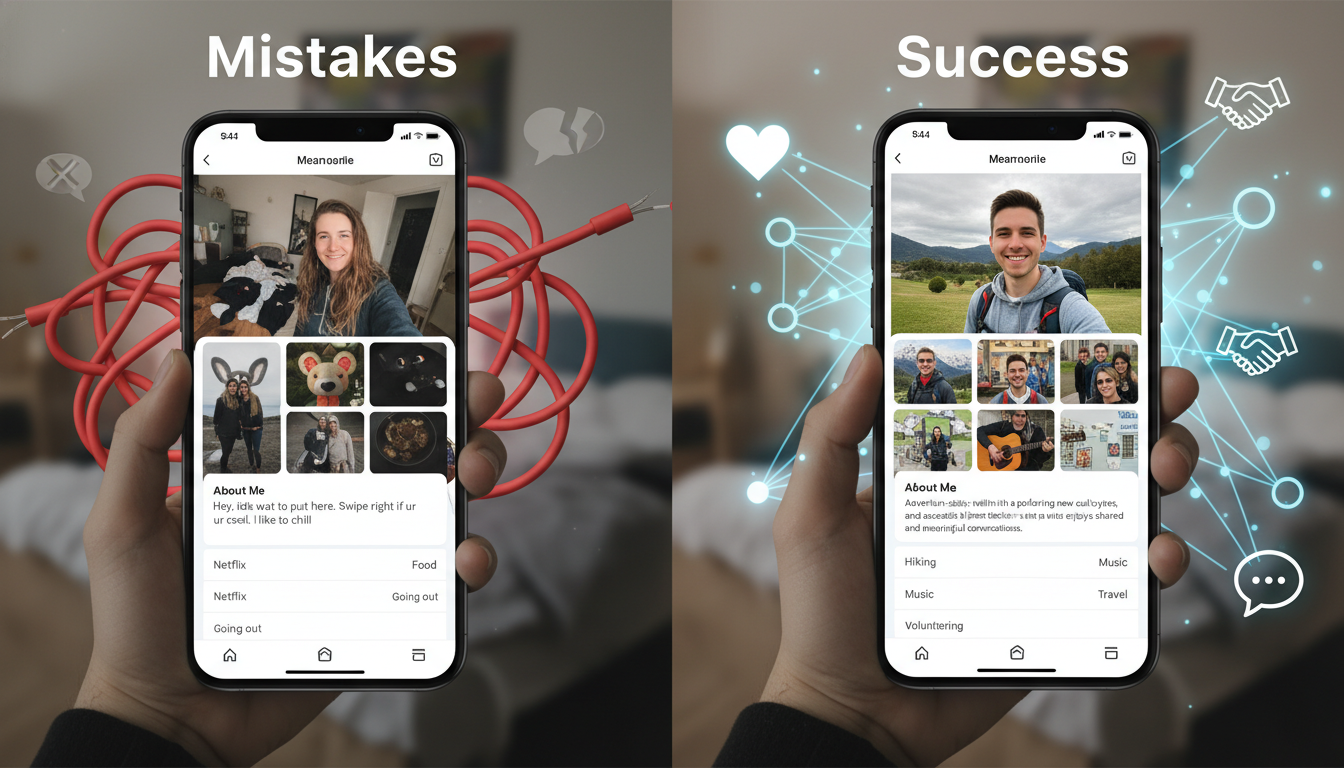
- Watch for few photos, overly polished images, odd bios, or profiles pushing to chat off the app fast.
- Look out for poor grammar, scripted stories, and refusal to verify identity like a live selfie.
- Use the app’s reporting and blocking tools and save screenshots if needed. Reporting helps improve safety for everyone.
safe conversations: Messaging Practices and Digital Safety Dating
Keeping conversations safe helps protect your privacy and peace of mind. Follow clear messaging practices to reduce risk while you get to know someone.
These habits support digital safety dating and make secure dating easier.
Keep conversations on the app until trust is established
Staying on the dating platform gives you built-in protections. Apps like Tinder, Bumble, and Hinge offer reporting and blocking tools.
They often keep records that can be useful if something goes wrong. Moving quickly to SMS, WhatsApp, or email removes those safeguards.
This makes it easier for bad actors to disappear.
Avoid sharing contact details, social handles, or work info early
Do not give out your phone number, personal email, LinkedIn profile, Instagram, or employer details at the start.
If the other person offers social handles, suggest a secondary account or ask for a short video call first.
Withholding work location and other identifiers lowers the chance of doxxing or unwanted contact.
Recognize common manipulation and romance scam tactics
Scammers use emotional pressure to push you into sharing or sending money. Watch for love-bombing, urgent requests for funds, sob stories, and pressure to move off-platform.
Inconsistent timelines and refusal to meet in person without a valid reason are red flags. Romance scams may claim overseas jobs or sudden medical needs to seem plausible.
Practical steps help you respond safely:
- Pause before replying to any request for money or gifts.
- Use a reverse image search to check profile photos.
- Ask trusted friends for a second opinion when something feels off.
- Stop communication and report profiles that ask for funds or insist on private channels.
Good messaging practices lead to stronger online dating safety. Small safeguards early on make secure dating more likely.
These steps keep your conversations safe as you build trust.
Privacy tips dating: Protecting Personal Info and Photos
Protecting your privacy on dating apps starts with simple habits that improve your safety online. Small choices about images and facts reduce risks like doxxing or scams.
How to watermark or avoid oversharing photos
Avoid photos showing identifiable home interiors, mailboxes, license plates, or street signs. Instead, choose outdoor shots, group photos, or images from activities.
If you want extra protection, add a subtle watermark with your first name or app handle. Crop images to remove landmarks or use edits that keep photos meaningful but anonymous.
Remove location metadata from images and posts
EXIF metadata may contain GPS coordinates and device details. Turn off location tagging in your camera settings to prevent this data from being created.
On most iOS and Android phones, you can disable location services for your camera app in the settings. Use tools to remove metadata before uploading photos.
Some platforms remove EXIF metadata automatically, but do not rely on this as your only safeguard.
Decide what personal identifiers to never share
Never share home addresses, full birthdates, Social Security numbers, bank details, work schedules, or children’s names. Also, keep intimate photos private to prevent extortion risks.
Small details can be combined in social engineering to create bigger risks. Instead, share safe information like hobbies, your city, or favorite activities.
If asked for more photos, prefer a live selfie or short video during a timed call to confirm identity. Avoid sending private photo albums.
- Protect personal info by keeping identifying facts vague.
- Protect personal photos with watermarks, cropping, and neutral backgrounds.
- Use these privacy tips dating to boost your confidence and reduce exposure on any platform.
dating app safety: Verifying Matches and Background Awareness
When you meet someone new on an app, simple checks make online dating safer. These steps help you verify matches and spot inconsistencies. They build background awareness so you decide how to proceed with confidence.
Simple verification steps to confirm identity
- Ask for a current selfie with a specific gesture, like holding up a hand or a coffee cup. This confirms the person in the profile photo.
- Suggest a brief video call before meeting in person. A short chat reveals tone, mannerisms, and consistency with what they’ve shared.
- Pose casual, fact-checking questions about details in their profile. Look for steady answers over several messages rather than sudden changes.
- Keep requests respectful and optional. Clear consent maintains trust while you verify matches for your safety.
Use reverse image search and social media checks
- Run photos through Google Images or TinEye to see if they appear under different names or on other sites. This helps avoid fake profiles.
- Scan social accounts for a consistent posting history, dated posts, and mutual connections. Sparse or new profiles deserve closer attention.
- Treat these checks as part of a wider assessment. Don’t trust or reject someone based on only one result.
Consider background checks and when they’re appropriate
- For deeper concerns, public court records and services like BeenVerified or TruthFinder offer background information. Use these tools responsibly.
- Weigh privacy and legal limits before ordering paid checks. Use formal background checks only for clear red flags or safety concerns.
- If a check reveals a criminal history and you feel at risk, prioritize safety and contact local authorities if needed.
Balance vigilance with courtesy. Verify matches reasonably to avoid fake profiles without invading privacy or creating suspicion. This supports safer, respectful dating interactions.
safe first meeting: In-Person Meeting Precautions and Safe First Meeting Tips
Meeting someone in person after an online match requires practical steps. These steps focus on your comfort and safety. Always keep plans simple, set boundaries, and share details with someone you trust.
Choose public, well-lit locations and tell a friend
- Pick busy cafes, casual restaurants, or parks during daytime or early evening. This increases visibility and cuts risk.
- Send a friend or family member the time, address, and photo of the person you’re meeting. Text arrival and departure updates when you can.
- Choose venues with staff nearby so you can ask for help if needed.
Arrange your own transportation and set check-in times
- Travel to and from the meeting on your own, so you can leave when you want.
- Don’t accept a ride home from someone you just met. Use rideshare, public transit, or your own car.
- Set a check-in time or safe word with a friend. A short call or text confirms your safety and creates a backup plan.
Trust your instincts and exit strategies if you feel unsafe
- Plan your exit before meeting. Find nearby public spots or staff you can approach. Keep a rideshare app ready.
- If you feel uneasy, leave the venue and go somewhere safer. Use a simple excuse if you want to avoid explaining.
- Limit alcohol intake. Avoid sharing details about your money or living situation until trust builds.
Keep your personal items secure and stay aware of your surroundings. If you face urgent threats, contact emergency services right away. Using these tips makes online dating safer and more practical in daily life.
avoid fake profiles: Red Flags, Scam Prevention, and Dating Awareness
When you use dating apps, dating awareness protects your time and money. Watch for signs a profile might be fake. Take steps that support your online dating safety.
Keep exchanges calm and factual. Check carefully for any inconsistencies in what the person shares with you.
Common red flags that indicate a scam or fake account
Photos that look like professional models can signal a fake profile. Reverse-image results that match multiple sites are also a warning. Requests for money, gift cards, or wire transfers are urgent red flags.
Profiles with vague details, shifting stories, or rushing into intense emotions deserve close scrutiny. Other signs include pressure to move off-platform quickly and refusal to video chat or meet.
Unusual payment requests and claims of being abroad with excuses for not meeting are also suspicious. Look for patterns rather than focusing on a single odd detail.
How to respond to suspicious behavior without escalating risk
Pause communication if something feels off or suspicious. Never send money, share bank details, or reveal personal information.
Ask specific questions that are hard to fake. Request a live video or voice call to confirm the person’s identity.
Avoid confrontational messages that might provoke retaliation. If doubts continue, block and report the user right away. Consult friends for a second opinion before deciding your next steps.
Reporting, blocking, and preserving evidence for authorities
Use in-app reporting tools and block accounts to protect yourself and others. Save messages, screenshots, transaction records, and contact details if you suspect fraud.
These records help moderators, financial institutions, and law enforcement take action. Contact your bank or payment provider immediately if you sent money or gave card details.
File a report with platform portals when threats or financial loss happen. Involve law enforcement if you face threats, identity misuse, or major financial harm.
Prevention mindset: Stay skeptical of fast-moving emotional claims. Use platform tools to reduce your risk.
Routine vigilance, regular checks, and steady dating awareness make scam prevention part of safe online dating.
Conclusion
Online dating safety relies on clear and consistent habits. Choose reputable platforms and enable safety features like two-factor authentication. Use strong, unique passwords and keep personal details in your public profile minimal.
Keep conversations on the app until you feel confident. Apply simple verification steps before meeting someone in person. Protect your photos by stripping location metadata.
Practice dating awareness and use tools like reverse image search to confirm identities. Plan safe first meetings by picking public places and arranging your own transportation. Share your plans with someone you trust.
Report and block suspicious accounts quickly to support secure dating for all. These safe dating tips are practical and easy to follow. Safety lowers risk and helps you make smart choices when connecting online.
Review app safety settings often. Set a few personal rules to protect your privacy. Take small actions that support your well-being.
Content created with the help of Artificial Intelligence.