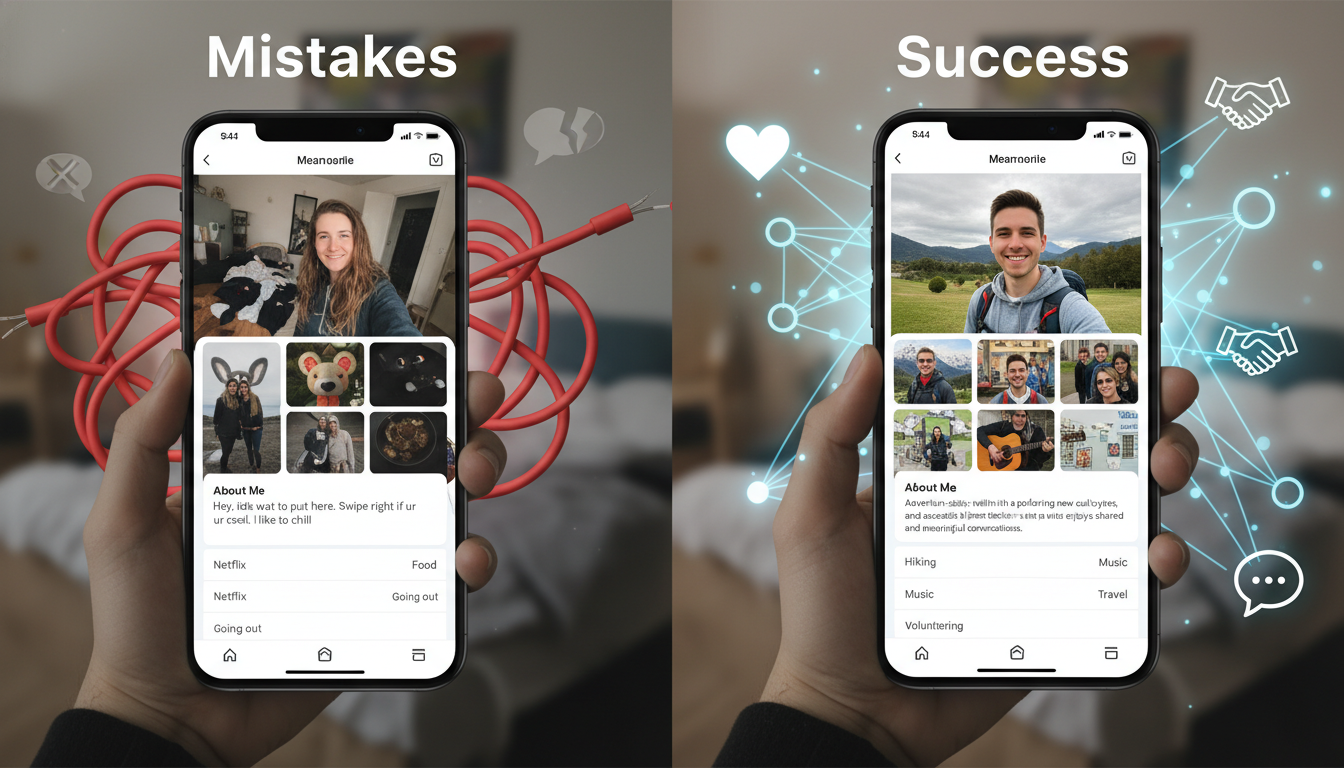
Insecurity in a relationship is a common feeling. It can arise in dating, marriages, and other affective connections. This article helps those feeling this discomfort to recognize its causes and reduce its impacts.
It also shows how to regain the couple’s trust through self-knowledge, communication, and, if necessary, therapy.
Ads
According to Natalia Queiroz Nunes de Oliveira, insecurity is born from the fear of losing one’s partner. It manifests through excessive demands, jealousy, and fanciful thoughts. These reactions affect the couple’s communication, damage self-esteem, and weaken the emotional security that sustains the relationship.
In the following sections, you will find warning signs and practical self-knowledge strategies. You will also see exercises to control thoughts and guidance on when to seek individual psychotherapy or couples therapy.
This content is informative and does not replace professional care. In cases of an abusive relationship, consider ending it and seek specialized support.
Understanding insecurity in the relationship
Insecurity in a relationship is a strong feeling that erodes moments of affection. Many people fear losing their partner. They often do not notice simple signs in daily life.
Identifying these reactions is the first step to recovering emotional security.
What is insecurity and how does it appear
Insecurity is the feeling of not being enough, the fear of rejection, and the end of the relationship. It appears with jealousy, neediness, and idolizing the other person. Sometimes, the individual creates thoughts that increase their distress.
Common causes of insecurity
Affective traumas and frustrations in past relationships leave deep marks. Childhood rejections and toxic relationships help form low self-confidence.
- A feeling of inferiority that weakens self-esteem.
- Constant comparisons with others take away authenticity.
- Seeking external approval instead of strengthening one’s own identity.
Impacts on the couple’s dynamics
Insecurity harms communication and creates a cycle of demands. The need for explanations and surveillance increases tension between the couple.
- Checking the phone or demanding constant contact wears down the relationship.
- Organizing life to always be with the other person leads to abandoning friends and interests.
- By imagining betrayal and jealousy, the relationship becomes suffocating.
Sometimes, insecurity is seen as an individual problem, but part of the conflict comes from the partner’s lack of consideration. Understanding this helps to separate personal responsibility from external factors.
Relationship
When insecurity appears within the relationship, it changes the tone and routine. Noticing signs of relationship insecurity helps to act early.
The attentive reading of both behaviors preserves couple trust and dating self-esteem.
Warning signs within the relationship
Observe patterns that repeat themselves. The constant need to check messages and call several times are relationship warning signs.
Monitoring the other person’s routine is another important sign to observe.
- Continuous requests for proof of affection and endless explanations.
- Obsessive thoughts about the other person at inappropriate times.
- Abandonment of friends, hobbies, and exclusive emotional dependence on the partner.
- Monitoring, excessive jealousy, and controlling attitudes that erode couple trust.
When insecurity comes from the partner
Not all insecurity is born from the relationship. It is necessary to distinguish if the fear is internal or if it comes from the other’s actions.
Lack of consideration, long silences, and lower emotional availability show an insecure partner.
Evaluating these attitudes helps in deciding the next steps.
- Check if the insecurity is based on repeated attitudes, such as disrespect or manipulation.
- If there are behaviors that hurt or control, considering serious measures is necessary.
- When an insecure partner affects the relationship, proposing clear dialogue or couples therapy can be an alternative.
Practical strategies to strengthen self-esteem and emotional security
Strengthening dating self-esteem and emotional security requires clear and repeated actions. Start by understanding your reactions. Separate triggers and create routines that reinforce your identity. The practices below focus on self-knowledge and simple techniques to control thoughts.
Self-knowledge exercises
List sources of insecurity and treat each item with care. Consider childhood flaws, romantic traumas, and specific triggers.
- Write down each source and then reframe it by talking to yourself as you would to a friend.
- Recover activities and pleasures that you had before the relationship to reinforce your true self.
- Make an inventory of talents and strengths: note values, skills, and potential.
Developing self-esteem
Reduce internal demands and accept imperfections. Invest in personal development. Small victories increase confidence.
- Stop comparing yourself to others; self-confidence comes from what is personal and non-transferable.
- Use grooming as self-care, not to please someone else.
- Plan goals for talent development and celebrate each progress.
Daily practices to control thoughts
Interrupt rumination with practical techniques. Replace negative thoughts with concrete actions.
- When identifying an obsessive thought, tell yourself “cancel, cancel, cancel” to stop the rumination.
- Police your thoughts and swap ruminations for hobbies, meeting friends, or breathing exercises.
- Schedule each strategy in your calendar. Commit to regular practice.
Integrating self-knowledge exercises, dating self-esteem routines, and practices to control thoughts creates a solid foundation.
With discipline, emotional security becomes natural and more resistant to daily setbacks.
How to improve communication and couple trust
Strengthening a bond requires effort and daily choices. Couple communication should be clear and kind. Trust grows with concrete actions.
Below, see practical guidance to transform conversations and behaviors into mutual security.
Open conversations without accusations
Talk about your insecurities calmly. Use “I” statements: “I feel” instead of “You always”.
Concrete examples avoid vague interpretations and reduce defensive reactions.
Ask if there are real reasons for concern before assuming blame. Open conversations create space to listen without attacking.
Establishing healthy agreements and boundaries
Define clear expectations regarding time, communication, and privacy. Agreements reduce assumptions that fuel jealousy.
- Respect each other’s hobbies and socialization to avoid suffocation.
- Review behaviors that break agreements. If they persist, reflect on the continuity of the bond.
Healthy boundaries act as a practical guide for living together with autonomy.
Connection-strengthening activities
Plan quality moments that reinforce emotional intimacy without creating dependence.
Simple activities ensure regular contact and affection within the couple.
- Choose shared hobbies to create positive memories.
- Set aside daily rituals of affection, such as talking without distractions before sleeping.
- Include wellness practices, such as meditation or prayer, if both agree.
These actions promote trust in the couple. They maintain a healthy rhythm between closeness and freedom.
When to seek professional help
Seeking support from a professional is valuable when insecurity hinders daily life or the relationship.
The right intervention helps you get to know yourself better and offers practical tools.
These tools help in dealing with jealousy, fear of rejection, and patterns that harm the relationship.
Indications for individual therapy
- Seek individual therapy if traumas, rejections, or paralyzing fears leave you stagnant and affecting trust.
- A qualified psychologist helps to reframe experiences and develop skills to decrease insecurity.
- Confirm if the professional has training in CBT, neuroscience, or couples therapy for a good approach.
Benefits of couples therapy
- Couples therapy creates safe dialogues with technical mediation to avoid accusations and promote clear agreements.
- The process helps to identify patterns that maintain insecurity and suggests practical changes in daily life.
- If insecurity comes from the partner’s attitudes, therapy helps to restore boundaries and trust.
Resources and service formats
- There are in-person and video consultations; many offer online psychologist services for greater flexibility.
- Besides psychotherapy, support groups, educational content, meditation, and body practices can help in the treatment.
- Before starting, check credentials and specializations to ensure safety and quality.
Conclusion
Recognizing the origin of insecurity in a relationship is the first step toward change. Practicing self-knowledge helps to control intrusive thoughts. This strengthens emotional security.
Developing self-esteem in dating facilitates affective independence. Resuming hobbies reduces the feeling of dependence in the couple.
Improving communication and establishing healthy boundaries sustains trust in daily life. Maintaining a social life is important. Applying techniques like “cancel, cancel, cancel” makes the strategies practical.
If the fear persists, seeking individual or couples therapy can accelerate the process. This offers specialized support.
Behaviors that cause emotional harm should not be tolerated. In cases of abuse, consider ending the relationship and seek support. This content complements, but does not replace professional care.
Schedule the implementation of the suggested actions in your calendar. Book an appointment with a psychologist or therapist for follow-up when necessary.
Content created with the help of Artificial Intelligence.